Vanilla French Beignets
Vanilla French Beignets are a delightful treat that combines a crispy exterior with a fluffy interior, making them irresistible. Perfect for breakfast or as a dessert, these beignets are flavored with rich vanilla and dusted with powdered sugar. They are easy to make and sure to impress friends and family. Enjoy them fresh out of the fryer for the ultimate indulgence!


Why This Vanilla French Beignets Recipe Works
This Vanilla French Beignets recipe stands out due to its use of high-quality ingredients that enhance the flavor and texture. The combination of fresh eggs and rich vanilla creates a deliciously aromatic dough that is both light and airy. Frying them at the right temperature ensures they develop a crisp exterior while remaining soft inside.
The beignets are not overly sweet, allowing the natural flavors to shine through, and the generous dusting of powdered sugar adds the perfect finishing touch. The frying technique locks in moisture, resulting in a delightful combination of textures that makes each bite unforgettable.
💡 Professional Tip
For perfectly fluffy beignets, ensure your oil is at the right temperature before frying. Too hot and they burn; too cool and they absorb too much oil. Use a thermometer for accuracy.
Frequently Asked Questions
Yes, you can prepare the dough in advance and refrigerate it. Just make sure to let the dough come to room temperature before frying. Beignets are best enjoyed fresh, so consider frying them just before serving for optimal taste.
You can use gluten-free all-purpose flour as a substitute if you're looking for a gluten-free option. Almond flour is another alternative, but it may alter the texture slightly. Adjust the liquid ingredients accordingly as needed.
Frying is the traditional method for cooking beignets, as it achieves a crispy exterior and fluffy interior. Baking can be a healthier alternative, but the texture will differ. If frying, use a deep pot for even cooking.
To prevent sogginess, ensure the oil is hot enough before adding the dough. Also, do not overcrowd the pot, as this can drop the oil temperature. Let them drain on paper towels immediately after frying.
Beignets are perfectly done when they are golden brown and float to the surface of the oil. A test fry can help gauge the right frying time before cooking the entire batch.
Vanilla French Beignets are delicious on their own, but they pair wonderfully with coffee or hot chocolate. Serving them with a side of fruit preserves or chocolate sauce can also enhance the experience.
Yes, you can make healthier versions by baking instead of frying or substituting some of the sugar with natural sweeteners like honey or maple syrup. Additionally, using whole wheat flour can add nutritional value.
Store leftover beignets in an airtight container at room temperature for up to 2 days. For longer storage, keep them in the refrigerator for up to a week, or freeze them for up to a month. Reheat in the oven for best results.
Recipe Troubleshooting Guide
Beignets Are Too Oily
Problem: If your beignets turn out too oily, it indicates they may have absorbed too much oil.
Solution: Ensure your oil is hot enough before frying, and avoid overcrowding the pot. Allow them to drain on paper towels immediately after frying.
Beignets Are Dense
Problem: Dense beignets indicate they may have been overmixed or the dough was too cold.
Solution: Mix the dough until just combined and let it sit at room temperature before frying to achieve a lighter texture.
Beignets Are Not Rising
Problem: If your beignets are not rising, it might be due to inactive baking powder.
Prevention: Check the expiration date on your baking powder and ensure it's fresh. Additionally, ensure your oil is hot enough for frying.
Uneven Cooking
Problem: If your beignets are cooking unevenly, the oil temperature may be inconsistent.
Recovery: Use a thermometer to maintain a consistent frying temperature and avoid adding too many beignets at once.
Flavor Issues
Problem: If the flavor is lacking, it may be due to insufficient seasoning or flavoring ingredients.
Prevention: Ensure you use high-quality vanilla extract and taste your batter before frying, adjusting sugar levels if necessary.
Flavor Balance Issues
Too Sweet: If too sweet, add a pinch of salt to balance the flavors.
Too Salty: If too salty, consider adding more powdered sugar or a sweet dip to counteract the saltiness.
Bland: If bland, enhance the flavor with additional vanilla extract or a sprinkle of cinnamon in the batter.
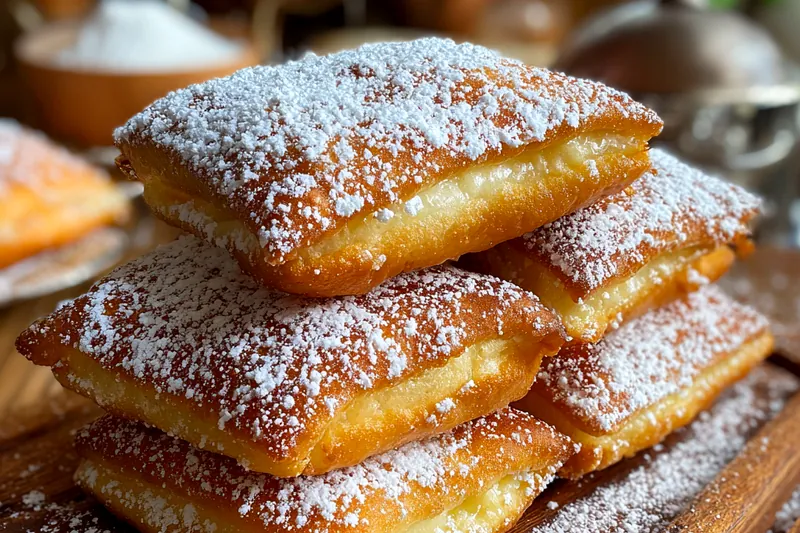
Choosing the Best Ingredients for Vanilla French Beignets
Selecting the right ingredients is key to making exceptional Vanilla French Beignets. Opt for high-quality vanilla extract to infuse delightful flavor, and use fresh eggs to achieve a light and airy texture. All-purpose flour should be used for the best structure, while granulated sugar adds the perfect sweetness.
When preparing your beignets, ensure your baking powder is fresh for optimal leavening. Using unsalted butter allows you to control the saltiness of the dough, and always choose good quality vegetable oil for frying to enhance the flavor without overpowering it.
Essential Ingredient Notes
- Vanilla Extract: Vanilla extract is essential for imparting the signature flavor of beignets. Choose pure vanilla extract over imitation for the best taste, as it significantly enhances the overall flavor profile.
- All-Purpose Flour: All-purpose flour provides the perfect balance of structure and softness for beignets. Make sure to sift it before mixing to prevent lumps and ensure a light batter.
- Granulated Sugar: Granulated sugar not only sweetens the beignets but also contributes to their texture. Using the right amount is crucial to achieving the desired sweetness without overpowering the other flavors.
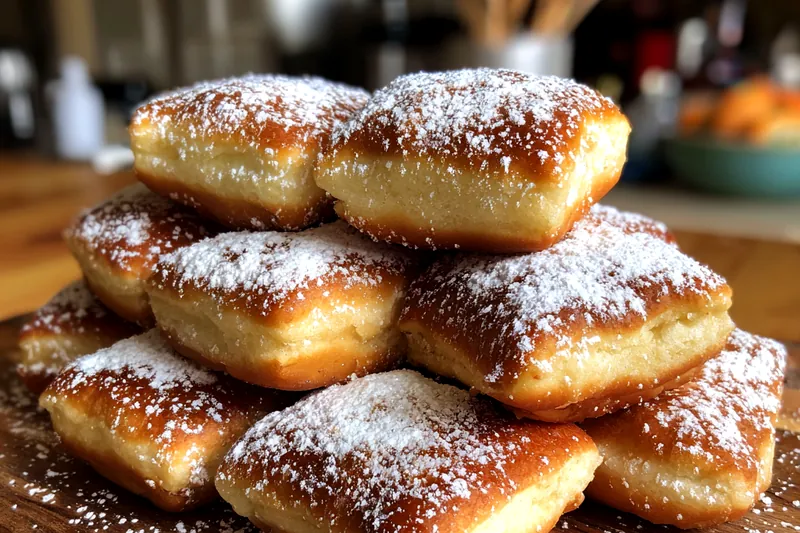
Mastering the Cooking Technique
The cooking technique for beignets is crucial to achieving the perfect texture. Ensure your oil is heated to the right temperature before frying, typically around 350°F (175°C). This will result in a crispy exterior while keeping the inside soft and fluffy.
Timing is essential; fry the beignets for about 2-3 minutes on each side until they are golden brown. Use a slotted spoon to remove them and let them drain properly to avoid excess oil, ensuring a delightful eating experience.
The Secret to Perfect Vanilla French Beignets
The key to perfect beignets lies in the temperature of the oil and the careful mixing of the batter. This ensures they rise beautifully while maintaining their lightness and flavor.
Vanilla French Beignets
📋 Ingredients
Sauce
- 2 tablespoons vanilla extractFor rich flavor
- 1 cup powdered sugarFor dusting
- 1/4 cup chocolate sauceOptional for dipping
- 1/4 cup caramel sauceOptional for dipping
- 1/2 cup whipped creamOptional topping
Main
- 2 cups all-purpose flourFor the dough base
- 1/4 cup granulated sugarFor sweetness
- 1 tablespoon baking powderFor leavening
- 1/2 teaspoon saltBalances flavor
- 1 cup milkFor moisture
- 2 large eggsFor richness
- 1/4 cup unsalted butter, meltedFor flavor and texture
- Vegetable oil for fryingFor cooking
Instructions
Mix Dry Ingredients
In a large bowl, combine the flour, sugar, baking powder, and salt. Whisk until well mixed.
Combine Wet Ingredients
In another bowl, whisk together the milk, eggs, vanilla extract, and melted butter until smooth.
Combine Mixtures
Pour the wet ingredients into the dry ingredients and stir gently until just combined.
Heat the Oil
In a deep skillet or pot, heat about 2 inches of vegetable oil over medium heat until it reaches 350°F (175°C).
Fry the Beignets
Using a spoon or a small ice cream scoop, drop balls of the batter into the hot oil. Fry until golden brown, about 2-3 minutes per side.
Drain Excess Oil
Remove the beignets from the oil and place them on paper towels to drain the excess oil.
Dust with Powdered Sugar
While still warm, dust the beignets generously with powdered sugar.
Serve Warm
Enjoy the beignets warm for the best flavor and texture.
Recipe Notes & Tips
Make-Ahead Instructions
You can prepare the dough in advance and refrigerate it. Just make sure to let the dough come to room temperature before frying.
Serving Suggestions
Serve beignets with coffee or hot chocolate for a delightful pairing. Drizzle with chocolate or caramel sauce for an extra indulgence.
Recipe Variations
Add chocolate chips or fruit to the batter for delicious variations. You can also experiment with different flavored extracts, like almond or lemon, for a unique twist.