Rustic Baked Garlic Parmesan Herb Bread
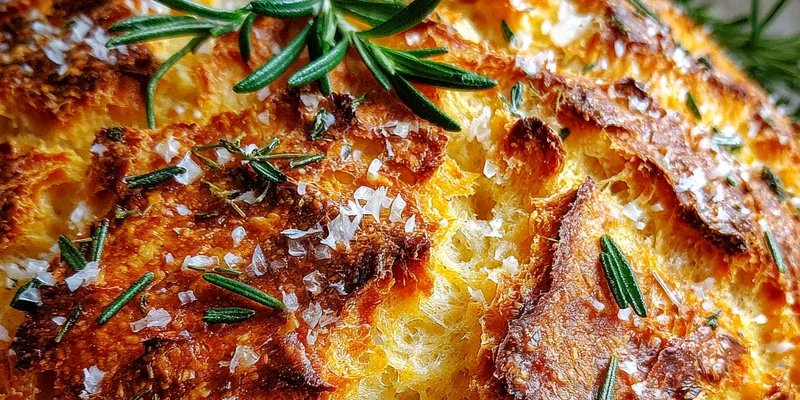
Step into a world of irresistible aroma and flavor with our Rustic Baked Garlic Parmesan Herb Bread. This isn't just any garlic bread; it's a hearty, flavorful masterpiece perfect for soaking up sauces, complementing a main dish, or stealing the show as a standalone appetizer. With a crusty exterior and a soft, garlicky, cheesy, herb-infused interior, it's comfort food at its finest and incredibly easy to make.

Why This Rustic Baked Garlic Parmesan Herb Bread Recipe Works
This recipe delivers on all fronts: a perfectly crusty exterior giving way to a soft, flavorful interior, bursting with garlicky, cheesy, and herbaceous goodness. The combination of fresh herbs like parsley, oregano, and thyme with abundant minced garlic creates an aromatic blend that's simply irresistible. We opt for a rustic loaf to ensure a substantial bite and excellent texture, making it more satisfying than typical thin-sliced garlic bread.
The secret lies in generous application of the softened butter mixture, ensuring every crevice of the bread is infused with flavor. A initial foil wrap (optional) helps steam the bread, keeping it moist and tender inside, while a final broil ensures that coveted golden-brown, crispy top layer. It's a method that guarantees maximum flavor absorption and textural contrast, making each bite an experience.
💡 Professional Tip
For the most intense garlic flavor, always use freshly minced garlic rather than pre-minced jars. If you have time, mince the garlic and let it sit in the softened butter for about 15-20 minutes before spreading. This allows the garlic's oils to infuse into the butter, deepening the overall flavor of your Rustic Baked Garlic Parmesan Herb Bread.
Frequently Asked Questions
Yes, you can prepare the garlic herb butter mixture up to 2 days in advance and store it in an airtight container in the refrigerator. You can also slice the bread and spread the butter mixture on it a few hours before baking. Cover the prepared loaf loosely with plastic wrap and refrigerate until ready to bake. Let it come to room temperature for 15-20 minutes before baking for best results.
If you don't have a rustic loaf like ciabatta or sourdough, a good quality French baguette or Italian bread will work wonderfully. Look for a loaf that has a decent crust and a somewhat dense crumb, as this will hold up well to the butter and baking process. Avoid very soft sandwich breads for this recipe, as they tend to become soggy.
The bread is done when the crust is golden brown and crispy, and the interior is heated through and fragrant. If you foiled it initially, remove the foil for the last 5-10 minutes to allow it to crisp up and achieve that beautiful golden color. The Parmesan cheese on top should be melted and slightly bubbly, with some crispy edges.
Absolutely! You can freeze the baked bread or the unbaked prepared bread. To freeze unbaked: prepare as directed, then wrap tightly in foil and then plastic wrap. Freeze for up to 1 month. Bake from frozen at 375°F for 45-55 minutes. To freeze baked: let cool completely, then wrap tightly and freeze. Reheat in a 350°F oven until warmed through and crisp.
This versatile garlic bread pairs perfectly with a wide range of dishes. It's excellent alongside pasta dishes like spaghetti and meatballs, lasagna, or chicken alfredo. It also makes a fantastic accompaniment to soups, stews, or a simple green salad. For a truly rustic meal, serve it with a hearty chili or a robust beef stew. It's also great for dipping into olive oil and balsamic vinegar.
Leftover Rustic Baked Garlic Parmesan Herb Bread, if stored properly, will last for 2-3 days in the refrigerator. Make sure to wrap it tightly in aluminum foil or place it in an airtight container to prevent it from drying out. Reheating instructions can be found in a separate FAQ below to restore its delicious crispness.
Yes, you can assemble the bread with the garlic-herb butter and Parmesan up to 4-6 hours in advance. Cover it loosely with plastic wrap or foil and refrigerate. Let it come to room temperature for about 15-20 minutes before baking to ensure even cooking and the best texture. This is a great time-saver for entertaining.
To reheat, preheat your oven to 350°F (175°C). Place the bread (loosely wrapped in foil if you prefer a softer interior, or unwrapped for a crisper crust) directly on the oven rack or a baking sheet. Heat for 10-15 minutes, or until warmed through and the crust is revitalized. Avoid microwave reheating, as it can make the bread chewy.
Recipe Troubleshooting Guide
Too Dry
Problem: The bread turned out too dry and hard instead of soft and moist.
Solution: Ensure your butter is truly softened to room temperature for even spreading. Don't skimp on the butter mixture – a generous layer is key. If you baked it uncovered, consider loosely wrapping it in foil for the initial baking phase to trap moisture, then uncovering it for the last 5-10 minutes to crisp up.
Not Crispy Enough
Problem: The bread lacks that desirable golden, crispy crust.
Solution: After the main baking time, remove any foil and consider a quick broil. Watch carefully, as broilers vary, but 2-5 minutes under the broiler can give it that perfect golden, bubbly, and crispy finish. Ensure the bread is on an upper rack for optimal proximity to the heat.
Overcooked
Problem: The bread is tough, overly brown, or burnt.
Prevention: Prevention is key. Keep a close eye on the bread, especially during the broiling stage. Oven temperatures can vary, so an oven thermometer is useful. If the top is browning too quickly, you can cover it loosely with foil. Adjust baking time if your oven runs hot.
Undercooked Center
Problem: The center of the bread is still doughy or cold.
Recovery: This often happens if the bread is too thick or the oven isn't preheated properly. Ensure your oven is fully preheated. If cutting the bread into slices, ensure they are almost, but not quite, fully cut through to allow heat to penetrate the center. You may need to bake for an additional 5-10 minutes if the loaf is particularly dense.
Burnt Exterior
Problem: The outside is burnt, but the inside isn't done.
Prevention: This is usually due to baking at too high a temperature or leaving it under the broiler for too long. Stick to the recommended 375°F (190°C) and use the broiler only for a short, supervised period. If you notice quick browning, reduce the oven temperature slightly or move the bread to a lower rack.
Flavor Balance
Too Sweet: This dish shouldn't be sweet. If it is, check for any added sugar in your ingredients or accidental additions.
Too Salty: If it's too salty, next time reduce the amount of added sea salt. Remember that Parmesan cheese also contributes a salty flavor, so account for that.
Bland: For a bland flavor, increase the amount of fresh garlic and herbs. Ensure your herbs are fresh for maximum impact. A pinch more salt and pepper can also enhance overall flavor, as can a tiny dash of onion powder.
Essential Ingredients for Rustic Baked Garlic Parmesan Herb Bread
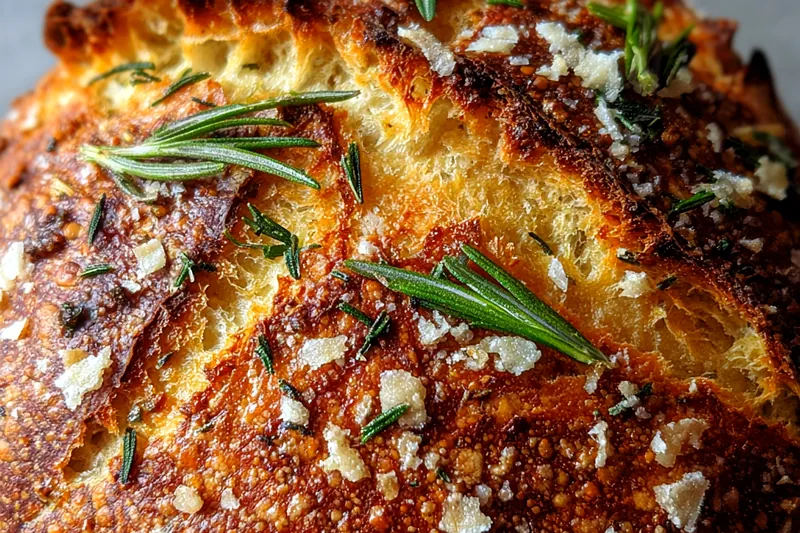
The heart of this Rustic Baked Garlic Parmesan Herb Bread lies in its carefully selected ingredients. A robust, crusty bread forms the perfect foundation, providing both structural integrity and a satisfying chew. Fresh garlic is non-negotiable here; its pungent, aromatic notes are the star, while softened unsalted butter acts as the rich, flavorful vehicle that carries these tastes deep into every fiber of the bread.
High-quality Parmesan cheese, freshly grated, adds a sharp, nutty, and salty tang that perfectly complements the garlic and herbs. A blend of fresh parsley, oregano, and thyme infuses the bread with bright, earthy undertones, completing the flavor profile. Paying attention to the quality and freshness of each ingredient ensures an unparalleled depth of flavor and texture in your final loaf.
Essential Ingredient Notes
- Rustic Loaf: Choosing the right bread is crucial. Opt for a sturdy loaf like ciabatta, sourdough, or a good quality French bread with a thick crust and a somewhat dense crumb. This type of bread holds up well to the moisture of the butter mixture and becomes wonderfully crispy on the outside while remaining tender inside.
- Fresh Garlic: Always use fresh garlic for this recipe. Minced garlic from a jar can have an off-flavor and doesn't offer the same potent aroma and taste. For best results, mince the garlic finely, or even use a garlic press, to ensure it disperses evenly throughout the butter mixture.
- Parmesan Cheese: Freshly grated Parmesan cheese makes a significant difference compared to pre-grated varieties. Fresh Parmesan melts beautifully, offers a superior flavor, and creates a crispier, more satisfying crust. Look for a block of Parmigiano-Reggiano and grate it yourself just before mixing.
Step-by-Step Cooking Process
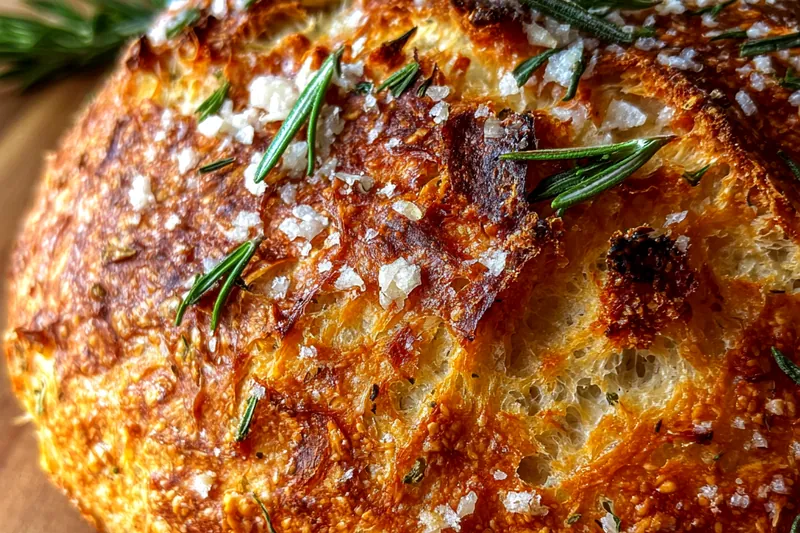
The journey to perfectly baked Rustic Baked Garlic Parmesan Herb Bread begins with thoughtful preparation of your loaf, creating optimal channels for flavor infusion. The meticulous blending of softened butter with a medley of fresh garlic, fragrant herbs, and sharp Parmesan cheese forms the core of this recipe's success. Spreading this rich mixture generously ensures that every bite will be bursting with savory deliciousness.
Baking the bread at a moderate temperature initially allows the flavors to meld and the bread to warm through, while a strategic final broil (if desired) achieves that coveted golden-brown, crispy exterior without drying out the interior. This two-phase cooking approach guarantees a delightful contrast in textures and a profoundly satisfying garlic bread experience that's both rustic and refined.
Key Technique for Perfect Rustic Baked Garlic Parmesan Herb Bread
The most crucial technique for truly exceptional Rustic Baked Garlic Parmesan Herb Bread is the method of cutting and spreading. Whether you slice the loaf lengthwise or make deep horizontal cuts, ensure you create ample surface area and pockets for the garlic herb butter. Don't be shy; really work the butter into every crevice. This maximizes flavor absorption and creates irresistible pockets of melted garlic butter and cheese, preventing a dry, flavorless loaf.
Rustic Baked Garlic Parmesan Herb Bread
📋 Ingredients
Main Ingredients
- 1/2 cup (1 stick) unsalted buttersoftened
- 8 cloves garlicminced (about 3 tbsp)
- 1/2 cup freshly grated Parmesan cheeseplus 2 tbsp for topping
- 1/4 cup fresh parsleyfinely chopped
- 2 tbsp fresh oreganofinely chopped (or 1 tsp dried)
- 1 tbsp fresh thymefinely chopped (or 1/2 tsp dried)
- 1/2 tsp sea salt
- 1/4 tsp freshly ground black pepper
For the Sauce
- 1 large rustic loafciabatta, sourdough, or French bread, about 1.5-2 lbs
- 2 tbsp extra virgin olive oil
- 1/4 tsp red pepper flakesoptional
Instructions
Preheat Oven & Prepare Bread
Preheat your oven to 375°F (190°C). If using a whole loaf, slice the bread lengthwise down the middle, or cut into thick slices horizontally, almost but not quite all the way through, leaving the bottom crust intact. This creates pockets for the butter while keeping the bread together.
Make Garlic Herb Butter
In a medium bowl, combine the softened unsalted butter, minced garlic, 1/2 cup grated Parmesan cheese, fresh chopped parsley, fresh chopped oregano, fresh chopped thyme, sea salt, black pepper, and optional red pepper flakes. Mix thoroughly until all ingredients are well combined and fragrant.
Brush with Olive Oil
Lightly brush the cut sides of the bread with extra virgin olive oil. This adds a layer of flavor and helps achieve a beautiful golden crust.
Spread Garlic Herb Butter
Generously spread the garlic herb butter mixture over the cut surfaces of the bread, ensuring it gets into all the nooks and crannies if you've made horizontal cuts. Be liberal, as this is where the flavor truly shines.
Add Extra Parmesan
Sprinkle the remaining 2 tablespoons of grated Parmesan cheese over the buttered surfaces of the bread. This extra layer of cheese will become deliciously crisp and golden during baking.
Bake the Bread
Place the prepared bread on a baking sheet. For a softer interior, loosely wrap the entire loaf in aluminum foil. For a crispier crust, leave it uncovered. Bake for 30 minutes (if foiled) or 25 minutes (if uncovered).
Broil for Golden Finish (Optional)
If you wrapped the bread, remove the foil after 30 minutes. Increase oven temperature to broil on low. Broil for an additional 5-10 minutes, or until the top is golden brown and bubbly, watching carefully to prevent burning.
Cool, Slice & Serve
Remove the bread from the oven and let it cool for a few minutes before slicing (if not pre-sliced) and serving warm. Garnish with a little extra fresh parsley, if desired. Enjoy this rustic, flavorful appetizer!
Recipe Notes & Tips
Storage Tips
Store any leftover Rustic Baked Garlic Parmesan Herb Bread by wrapping it tightly in aluminum foil or placing it in an airtight container at room temperature for up to 2 days, or in the refrigerator for up to 3 days. This helps maintain its freshness and prevents it from drying out. For longer storage, see the freezing tips in the FAQ section.
Serving Suggestions
This versatile bread is a superb accompaniment to almost any meal. It's fantastic with Italian dishes like pasta and lasagna, complements rich stews and hearty chilis beautifully, and is perfect for soaking up the last drops of a delicious soup. Don't forget, it's also a star on its own as a crowd-pleasing appetizer!
Recipe Variations
Feel free to customize this recipe! Add a pinch of red pepper flakes to the butter mixture for a subtle kick, or a dash of onion powder for extra savory depth. You can also experiment with other cheeses like mozzarella or provolone for a gooey, cheesy pull. For an extra rustic touch, sprinkle some flaky sea salt over the bread before baking.