Mediterranean Olive Flatbread
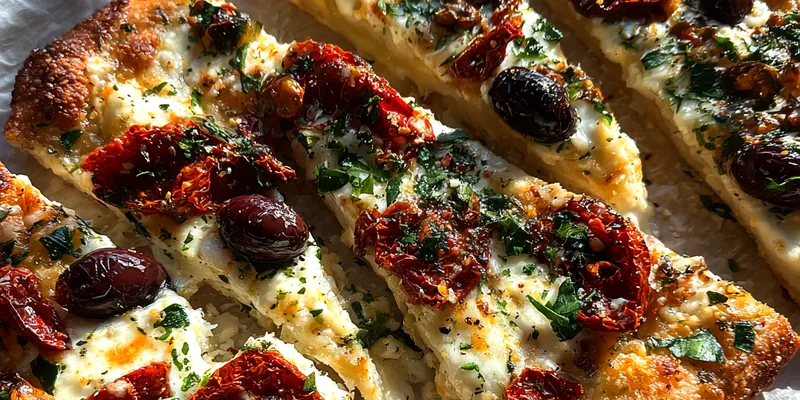
Mediterranean Olive Flatbread is a delightful and flavorful dish that brings the essence of Mediterranean cuisine to your table. This easy-to-make flatbread is perfect for lunch or as a snack. With a blend of olives, herbs, and cheese, it's both satisfying and nutritious. Whether enjoyed on its own or paired with dips, it's sure to become a favorite.

Why This Mediterranean Olive Flatbread Recipe Works
This Mediterranean Olive Flatbread recipe is special for its combination of fresh ingredients and simple preparation. The use of olives and herbs infuses the flatbread with vibrant flavors that transport you straight to the Mediterranean coast. Plus, it’s a versatile dish that can be served with various dips or enjoyed on its own.
The technique of letting the dough rise twice ensures a light and airy texture, while baking at a high temperature creates a beautifully crispy exterior. This flatbread is not only delicious but also a fantastic base for different toppings, allowing for endless customization.
💡 Professional Tip
For the best results, use high-quality olives and fresh herbs. If you want extra flavor, consider marinating your olives in olive oil and spices before adding them to the dough. Also, don’t skip the second rise; it makes a significant difference in texture.
Frequently Asked Questions
Yes, you can make the flatbread ahead of time. Prepare the dough and let it rise, then shape and bake the flatbread. Once cooled, store it in an airtight container. You can reheat it before serving for the best taste and texture.
If you’re looking for a substitute for feta cheese, goat cheese or ricotta can work well, providing a similar creamy texture. For a dairy-free option, try using crumbled tofu mixed with lemon juice and herbs for flavor.
The flatbread is done when it has a golden-brown color and sounds hollow when tapped on the bottom. Additionally, it should feel firm and not doughy to the touch. A good way to check is to insert a toothpick into the center; it should come out clean.
Absolutely! You can freeze the flatbread after it has cooled completely. Wrap each piece individually in plastic wrap and place them in a freezer bag. They can be stored in the freezer for up to 3 months. Thaw in the fridge overnight before reheating.
Mediterranean Olive Flatbread pairs well with a variety of dips such as hummus, tzatziki, or baba ganoush. It can also be served alongside salads, grilled vegetables, or as a base for Mediterranean-inspired sandwiches.
In the fridge, Mediterranean Olive Flatbread can last for about 3-4 days when stored in an airtight container. For best quality, consume it within the first few days. You can also reheat it in the oven or on a skillet to bring back its original texture.
Yes, you can prepare the flatbread dough in advance. After the first rise, you can shape it and store it in the fridge for up to 24 hours. Just let it come to room temperature before baking.
The best way to reheat Mediterranean Olive Flatbread is in the oven. Preheat your oven to 350°F (175°C) and place the flatbread on a baking sheet for about 10 minutes, or until warmed through. You can also reheat it in a skillet over medium heat for a few minutes on each side.
Recipe Troubleshooting Guide
Too Dry
Problem: If your flatbread turns out dry, it can be a result of overbaking or not enough moisture in the dough.
Solution: To prevent dryness, make sure to keep an eye on the baking time and check for doneness a few minutes early. Adding a bit more water to the dough can also help achieve a better texture.
Not Crispy Enough
Problem: If the flatbread is not crispy, it might be due to insufficient baking time or temperature.
Solution: Ensure your oven is fully preheated before baking, and consider increasing the baking time slightly for a crunchier texture. A pizza stone can also help achieve crispiness.
Overcooked
Problem: Overcooked flatbread can become too hard and chewy.
Prevention: To avoid overcooking, keep track of time closely and check for doneness at the lower end of the baking time range. If you notice it browning too quickly, cover it loosely with foil.
Undercooked Center
Problem: An undercooked center can leave the flatbread doughy and unappetizing.
Recovery: If you find the center is undercooked, you can return it to the oven for an additional few minutes. Covering the edges with foil can help prevent over-browning while the center cooks through.
Burnt Exterior
Problem: A burnt exterior can occur if the oven temperature is too high or if the flatbread is left unattended.
Prevention: To prevent burning, ensure your oven temperature is accurate and rotate the flatbread halfway through baking. Also, keep a close eye on it to avoid over-baking.
Flavor Balance
Too Sweet: If the flatbread is too sweet, consider reducing any added sweet ingredients in the future or balancing it with more savory elements like herbs or spices.
Too Salty: If your flatbread is too salty, serving it with a tangy yogurt sauce can help balance the flavors.
Bland: To enhance flavor in bland flatbread, try adding a bit more salt, herbs, or spices to the dough or topping mixture next time.
Essential Ingredients for Mediterranean Olive Flatbread
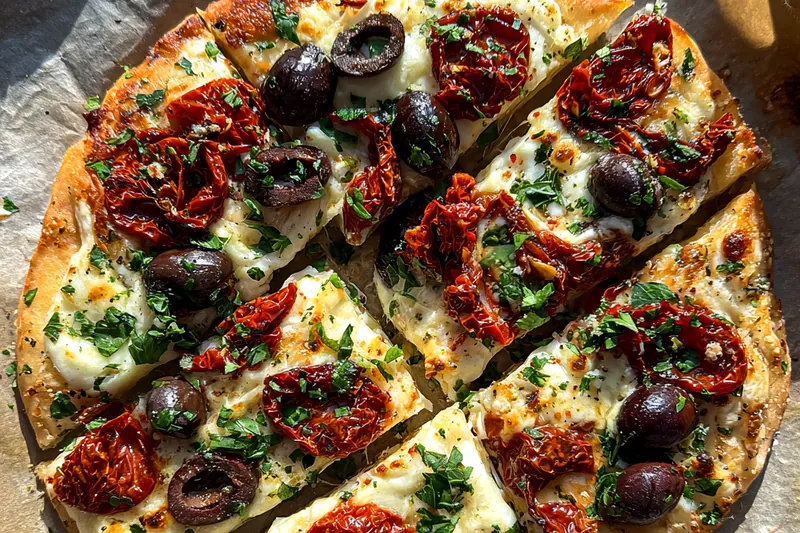
The key ingredients for Mediterranean Olive Flatbread include high-quality olives, fresh herbs, and flour. Each ingredient contributes to the overall flavor and texture of the flatbread. Using fresh ingredients can elevate the taste and authenticity of this dish.
Selecting the right type of olives is crucial; choose a mix for a more complex flavor profile. Fresh herbs certainly add vibrancy, while high-quality olive oil enhances moisture and richness.
Essential Ingredient Notes
- Olives: Opt for a mix of green and black olives for a variety of flavors. Make sure they are pitted and chopped, as they add both taste and texture to the flatbread.
- Fresh Herbs: Using fresh herbs like rosemary and oregano will greatly enhance the Mediterranean flavors. Finely chop them before mixing to release their essential oils.
- Olive Oil: Extra virgin olive oil is recommended for both the dough and brushing on top. Its rich flavor can significantly improve the overall taste and moisture of the flatbread.
Step-by-Step Cooking Process
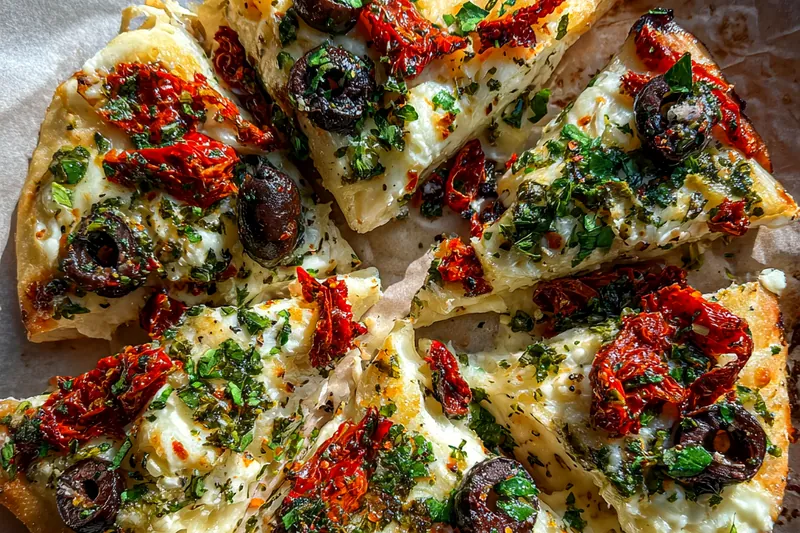
The cooking process for Mediterranean Olive Flatbread is straightforward, making it accessible even for novice cooks. From mixing the dough to baking it to perfection, each step builds upon the last to create a delightful end product.
Achieving perfect results requires attention to detail, from the right dough consistency to proper baking. Following the steps carefully will ensure a light, crispy, and flavorful flatbread.
Key Technique for Perfect Mediterranean Olive Flatbread
The most important technique for perfect Mediterranean Olive Flatbread is ensuring proper fermentation of the dough. Allowing it to rise adequately helps develop flavor and texture. Additionally, maintaining the right oven temperature is crucial for achieving a golden crust without compromising the interior softness.
Mediterranean Olive Flatbread
📋 Ingredients
Main Ingredients
- 1 cup butterRoom temperature
For the Sauce
- 2 lbs chickenCut into pieces
Instructions
Prepare Ingredients
Detailed instruction...
Recipe Notes & Tips
Storage Tips
For proper storage of Mediterranean Olive Flatbread, let it cool completely before wrapping it in plastic wrap or placing it in an airtight container. Store it in the fridge for up to 4 days, or freeze for longer shelf life.
Serving Suggestions
Mediterranean Olive Flatbread can be served warm or at room temperature. Pair it with dips like tzatziki or hummus, or serve it alongside a fresh salad for a complete meal. It also makes a delicious sandwich base.
Recipe Variations
Feel free to experiment with different toppings or fillings for the flatbread. You can add sun-dried tomatoes, artichokes, or even roasted red peppers for added flavor. For a spicy kick, try adding red pepper flakes to the dough.