Mediterranean Baked Vegetable Pasta Casserole
Embrace the vibrant flavors of the Mediterranean with this comforting and wholesome Baked Vegetable Pasta Casserole. This dish brings together tender pasta, a medley of colorful roasted vegetables, a rich tomato sauce, and salty feta, all baked to golden perfection. It's a fantastic way to enjoy a plant-packed meal that's both satisfying and incredibly delicious. Perfect for a busy weeknight or a cozy family dinner, this casserole is sure to become a new favorite.

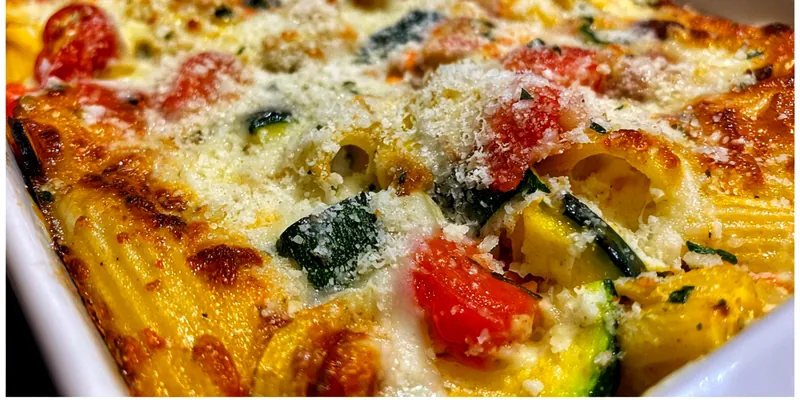
Why This Mediterranean Baked Vegetable Pasta Casserole Recipe Works
This Mediterranean Baked Vegetable Pasta Casserole stands out for its incredible balance of flavors and textures, making it a guaranteed crowd-pleaser. The combination of sweet bell peppers, earthy zucchini and eggplant, and bright tomatoes creates a symphony of fresh tastes. When combined with savory herbs and salty feta, each bite is a delightful exploration of classic Mediterranean ingredients. It's a dish that feels both hearty and wholesome, perfect for satisfying appetites without feeling heavy.
The beauty of this recipe lies in its straightforward technique, ensuring delicious results even for novice cooks. By sautéing the vegetables before baking, we develop a deeper, more caramelized flavor that elevates the entire casserole. The 'al dente' pasta holds up beautifully under the baking process, absorbing the rich tomato sauce without becoming mushy. Finally, the layer of melted, golden cheese on top provides an irresistible finish, adding a creamy, savory crust to this vibrant vegetable bake.
💡 Professional Tip
For an even richer flavor, consider roasting your chopped bell peppers, zucchini, and eggplant on a separate baking sheet with a drizzle of olive oil, salt, and pepper for 15-20 minutes before adding them to the sauce. This intensifies their natural sweetness and creates a lovely charred edge, adding another layer of complexity to your casserole. It's a small extra step that makes a significant difference.
Frequently Asked Questions
Absolutely! You can assemble the entire casserole, excluding the top layer of cheese, up to 24 hours in advance. Cover it tightly with plastic wrap and refrigerate. When ready to bake, add the remaining cheese and bake as directed, possibly adding an extra 5-10 minutes to the baking time since it will be starting cold. This makes it perfect for meal prep or entertaining.
If eggplant isn't your preference or isn't available, you have a few great alternatives. You could use cremini mushrooms for an earthy depth, more zucchini for a lighter feel, or even some diced sweet potato or butternut squash for added sweetness and nutrition. Just be sure to dice them similarly in size to ensure even cooking with the other vegetables.
The casserole is done when it's piping hot and bubbly around the edges, and the cheese on top has melted into a golden-brown, slightly crispy crust. You should be able to see the sauce bubbling up through the cheese. A light golden color on the cheese is perfect; avoid letting it get too dark unless you prefer a very crispy top.
Yes, this casserole freezes beautifully! Allow it to cool completely after baking. You can freeze individual portions in airtight containers or the entire casserole (unbaked or baked) in a freezer-safe dish, covered tightly with foil. It will last for up to 3 months. Thaw overnight in the refrigerator before reheating in the oven until heated through and bubbly.
This casserole is quite hearty on its own, but it pairs wonderfully with a simple green salad dressed with a lemon-herb vinaigrette. A side of crusty artisan bread or garlic bread is also excellent for soaking up any leftover sauce. For an extra touch, a drizzle of high-quality olive oil and a sprinkle of fresh basil or mint can brighten the flavors further.
Stored properly in an airtight container, this Mediterranean Baked Vegetable Pasta Casserole will last in the refrigerator for 3-4 days. It makes for excellent leftovers that are just as flavorful the next day, making it a great option for packed lunches or quick dinners during the week.
Absolutely, preparing this casserole in advance is a fantastic time-saving strategy! You can fully assemble it, right up to the point of adding the final cheese layer, and then cover and refrigerate for up to 24 hours. When you're ready to bake, add the cheese and increase the baking time by about 10-15 minutes to account for starting with a cold dish, ensuring it's heated through.
For the best results and to prevent dryness, reheat leftover casserole in the oven. Cover individual portions or the whole dish with foil and bake at 350°F (175°C) for 15-25 minutes, or until heated through. If reheating a whole dish, you might uncover it for the last 5 minutes to crisp up the cheese. A microwave can be used for individual servings, but the texture won't be as good.
Recipe Troubleshooting Guide
Too Dry
Problem: The casserole turned out too dry, lacking moisture.
Solution: If your casserole is too dry, it might be due to overbaking or not enough liquid initially. Ensure your pasta is cooked al dente, not fully, as it will absorb more liquid during baking. Next time, consider adding an extra 1/2 cup of vegetable broth to the sauce before combining with the pasta. If it's already baked, a splash of warm broth can be added to individual servings.
Not Crispy Enough
Problem: The top layer of cheese isn't golden or crispy.
Solution: To achieve a beautifully golden and slightly crispy cheese topping, ensure your oven rack is in the upper-middle position. If the casserole is done cooking but the cheese isn't browned enough, you can briefly place it under the broiler for 2-3 minutes. Watch it very closely, as broilers can quickly burn cheese.
Overcooked
Problem: The pasta or vegetables became mushy after baking.
Prevention: Prevent overcooked pasta by cooking it only to an al dente stage – it should still have a slight bite before going into the casserole. Similarly, avoid over-sautéing the vegetables initially; they should be tender-crisp. Closely monitor your baking time and oven temperature to ensure the casserole cooks through without turning mushy.
Undercooked Center
Problem: The middle of the casserole is still cool or the vegetables are crunchy.
Recovery: An undercooked center typically indicates insufficient baking time or that your ingredients weren't at room temperature. Ensure your casserole dish is not overpacked, allowing heat to circulate. If the top is browning too fast, cover the casserole loosely with foil and continue baking until the center is bubbly and heated through, usually an extra 10-15 minutes.
Burnt Exterior
Problem: The edges or top of the casserole got too dark or burnt.
Prevention: If you notice the exterior browning too quickly while the interior still needs time, cover the casserole dish loosely with aluminum foil. This will shield the top and edges from direct heat, allowing the rest of the casserole to cook evenly without burning. You can remove the foil for the last 5-10 minutes if you want a slightly crisper top.
Flavor Balance
Too Sweet: If the sauce tastes too sweet (perhaps from very ripe tomatoes or added sugar), a splash of red wine vinegar or a squeeze of fresh lemon juice can help balance the sweetness with acidity.
Too Salty: Should your casserole be too salty, you can stir in a small amount of unsalted vegetable broth, or even a tablespoon of plain cooked pasta or rice to absorb some of the excess salt. A tiny pinch of sugar can also sometimes mellow out excessive saltiness.
Bland: If the casserole tastes bland, it likely needs more seasoning. Add more salt and freshly ground black pepper. Consider stirring in a pinch of red pepper flakes for warmth, an extra clove of minced garlic, or a generous sprinkle of fresh or dried herbs like oregano, basil, or a mix of Italian herbs. A squeeze of lemon juice at the end can also brighten all the flavors.
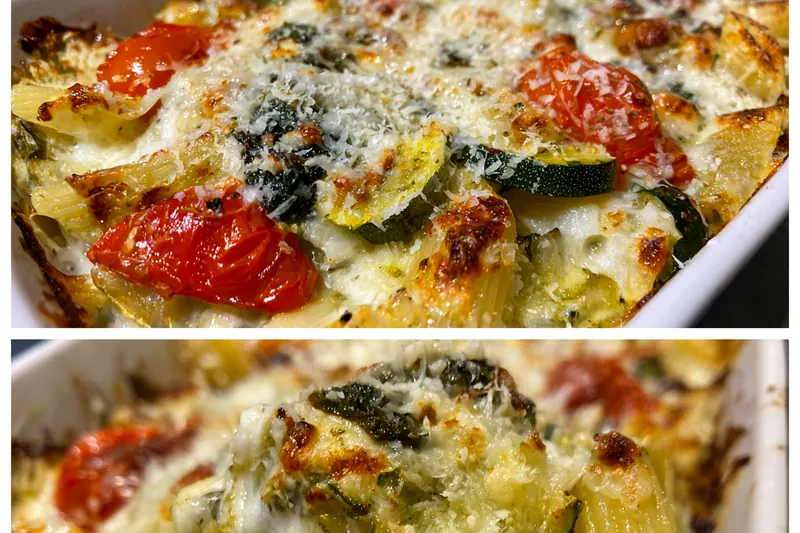
Essential Ingredients for Mediterranean Baked Vegetable Pasta Casserole
The heart of this Mediterranean casserole lies in its selection of fresh, wholesome ingredients. We rely on classic Mediterranean staples like ripe tomatoes, colorful bell peppers, earthy zucchini, and tender eggplant to form the vibrant base. These vegetables not only provide incredible flavor and texture but also pack a powerful nutritional punch. The choice of pasta, such as penne or orecchiette, is crucial for holding the sauce beautifully, ensuring every bite is rich and satisfying.
Using high-quality ingredients makes a significant difference in the final taste of this casserole. A good olive oil will enhance the sautéed vegetables, adding a foundational richness. Don't skimp on the cheese; authentic feta provides a tangy, salty kick that is quintessential to Mediterranean cuisine, while mozzarella adds a comforting, gooey layer. Fresh herbs like parsley or basil, added at the end, provide a burst of aromatic freshness that ties all the flavors together beautifully.
Essential Ingredient Notes
- Bell Peppers: Choose bell peppers that are firm, shiny, and heavy for their size, indicating freshness and juiciness. A mix of red and yellow bell peppers not only adds a beautiful visual appeal but also offers slightly different levels of sweetness, enhancing the overall flavor profile of the casserole. Avoid any peppers with soft spots or wrinkles.
- Feta Cheese: Opt for a block of genuine Greek feta cheese, preferably packed in brine, rather than pre-crumbled varieties. This ensures a creamier texture and a richer, more authentic tangy flavor. Crumble it yourself for the best experience; it will melt beautifully into the casserole while still retaining its distinct character.
- Pasta: When selecting pasta for a baked casserole, choose sturdy shapes like penne, orecchiette, or rotini that can hold up well to baking without becoming mushy. Crucially, cook the pasta to a firm al dente stage – slightly undercooked. It will continue to cook and absorb flavors in the oven, ensuring a perfect texture in the finished dish.
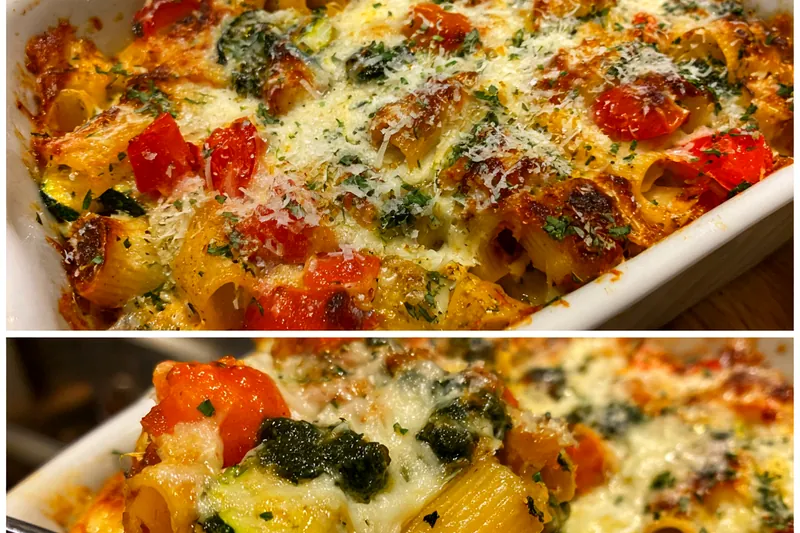
Step-by-Step Cooking Process
Crafting this Mediterranean Baked Vegetable Pasta Casserole is a delightful journey through simple, yet impactful cooking techniques. We begin by par-cooking the pasta to ensure it's perfectly al dente, ready to soak up all the rich flavors of the sauce without becoming overcooked during baking. Simultaneously, the aromatic base of onions and garlic is established, setting the stage for the medley of vegetables to be gently sautéed, allowing their natural sweetness and texture to develop.
The magic truly happens as the vibrant tomato sauce simmers with the sautéed vegetables and fragrant herbs, creating a deeply flavorful foundation. This meticulous layering of flavors ensures that every forkful of the casserole is bursting with Mediterranean goodness. The final bake in the oven marries all these elements, transforming them into a cohesive, bubbly, and comforting dish with a golden, cheesy crust that promises perfection.
Key Technique for Perfect Mediterranean Baked Vegetable Pasta Casserole
The most crucial technique for an outstanding Mediterranean Baked Vegetable Pasta Casserole is properly preparing your vegetables. Instead of simply dumping raw vegetables into the sauce, take the time to sauté them until they begin to soften and slightly caramelize. This pre-cooking step builds a deeper, more complex flavor profile and ensures the vegetables are tender, not crunchy, in the finished casserole. It allows their natural sugars to develop, adding a savory sweetness that elevates the entire dish.
Mediterranean Baked Vegetable Pasta Casserole
📋 Ingredients
Main Ingredients
- 1 large yellow onion, choppedFinely chopped for even cooking
- 4 cloves garlic, mincedFreshly minced for best flavor
- 1 (28 oz) can crushed tomatoesGood quality crushed tomatoes form the base
- 1 (14.5 oz) can diced tomatoes, undrainedAdds texture and more tomato flavor
- 1 cup vegetable brothLow-sodium preferred
- 1 tsp dried oreganoClassic Mediterranean herb
- 1/2 tsp dried basilComplements the tomato base
- 1/4 tsp red pepper flakes (optional)For a hint of heat
For the Sauce
- 12 oz penne or orecchiette pastaCooked al dente
- 2 tbsp olive oil, dividedExtra virgin for sautéing
- 1 red bell pepper, choppedAdds sweetness and color
- 1 yellow bell pepper, choppedContributes to the vibrant mix
- 1 medium zucchini, dicedAbout 1 cup
- 1 small eggplant, dicedAbout 1.5 cups; adds a hearty texture
- Salt and freshly ground black pepper to tasteEssential for seasoning
- 4 oz feta cheese, crumbledTangy and salty, use good quality
- 1 cup shredded mozzarella cheeseFor melting and a gooey top
- 2 cups fresh spinachWilted into the hot sauce
- 1/4 cup chopped fresh parsley, for garnishAdds freshness and color
Instructions
Preheat Oven & Cook Pasta
Preheat your oven to 375°F (190°C). Bring a large pot of salted water to a boil. Add the pasta and cook according to package directions until al dente, about 7-9 minutes. Drain the pasta and set aside.
Sauté Aromatics & Vegetables
While the pasta cooks, heat 1 tablespoon of olive oil in a large oven-safe skillet or Dutch oven over medium heat. Add the chopped onion and cook until softened, about 5 minutes. Stir in the minced garlic and cook for another minute until fragrant.
Add Remaining Vegetables
Add the red and yellow bell peppers, zucchini, and eggplant to the skillet. Drizzle with the remaining 1 tablespoon of olive oil. Sauté the vegetables for 8-10 minutes, stirring occasionally, until they begin to soften.
Prepare the Sauce
Stir in the crushed tomatoes, diced tomatoes (with their liquid), vegetable broth, dried oregano, dried basil, and red pepper flakes (if using). Bring the sauce to a simmer, then reduce heat to low and let it gently cook for 10 minutes, allowing the flavors to meld. Season generously with salt and pepper.
Combine Pasta and Sauce
Add the drained pasta and fresh spinach to the skillet with the sauce and vegetables. Toss everything together until the pasta is well coated and the spinach has wilted. Make sure all ingredients are evenly distributed.
Layer Cheeses
Sprinkle half of the crumbled feta cheese and half of the shredded mozzarella cheese over the pasta mixture in the skillet. Gently stir to incorporate some of the cheese throughout the casserole.
Bake the Casserole
Top the casserole with the remaining feta and mozzarella cheese. Transfer the skillet to the preheated oven and bake for 25-30 minutes, or until the casserole is bubbly and the cheese on top is melted and golden brown.
Garnish and Serve
Remove the Mediterranean Baked Vegetable Pasta Casserole from the oven. Let it rest for 5-10 minutes before serving to allow the sauce to set. Garnish with fresh chopped parsley and serve hot.
Recipe Notes & Tips
Storage Tips
To keep your Mediterranean Baked Vegetable Pasta Casserole fresh, transfer any leftovers into an airtight container once it has cooled completely. Store it in the refrigerator for up to 3-4 days. This ensures the flavors remain vibrant and the texture holds up well for future meals.
Serving Suggestions
This hearty casserole is a complete meal on its own, but it truly shines when served alongside a crisp, fresh Greek salad with a light lemon-herb dressing. A basket of warm, crusty bread or toasted pita bread is also a fantastic addition, perfect for scooping up every last bit of the delicious tomato sauce. A sprinkle of fresh herbs like basil or mint before serving adds a refreshing final touch.
Recipe Variations
Feel free to customize this casserole with your favorite Mediterranean ingredients! Add 1/2 cup of pitted Kalamata olives for an extra briny kick, or stir in a can of drained chickpeas for added protein. For a non-vegetarian option, cooked chicken breast or ground lamb can be added. You can also experiment with other cheeses like provolone or grated Parmesan for different flavor profiles.