Homemade Oat Topped Bread
Homemade Oat Topped Bread is the perfect blend of wholesome oats and soft bread. This recipe is not only easy to follow but also yields a deliciously hearty loaf. Perfect for toasting or simply enjoying with butter, this bread makes for a nutritious snack or breakfast option. Let's dive into this delightful baking adventure!

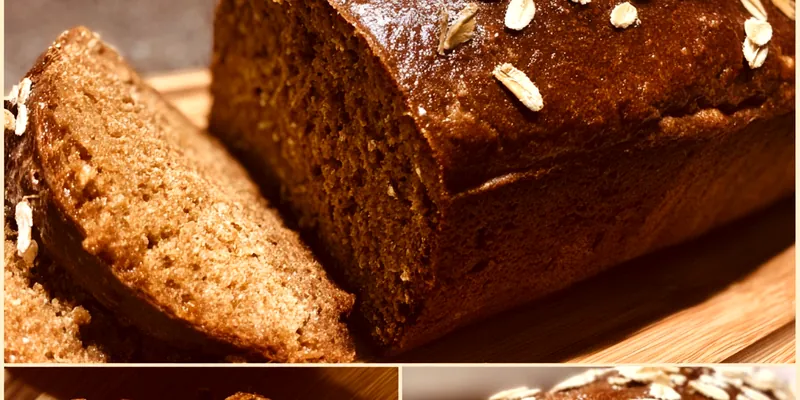
Why This Homemade Oat Topped Bread Recipe Works
This recipe combines the nutty flavor of oats with a soft, airy bread texture. Using rolled oats in the dough adds a delightful chewiness while the oat topping gives a satisfying crunch. It’s a great way to incorporate whole grains into your diet.
The technique of letting the dough rise twice ensures a light and fluffy loaf. Additionally, the egg wash creates a beautiful golden crust that enhances both the appearance and flavor of the bread.
💡 Professional Tip
For a richer flavor, substitute milk with buttermilk. This will add a slight tang and improve the bread's texture. Always make sure your yeast is fresh for best results.
Frequently Asked Questions
Yes, you can prepare the dough ahead of time and store it in the refrigerator for up to 24 hours. Just be sure to let it come to room temperature before baking. You can also bake the bread in advance and store it for later use.
You can substitute all-purpose flour with whole wheat flour for a denser bread, or use a gluten-free blend if you need a gluten-free option. Keep in mind that the texture and flavor may vary slightly.
The bread is done when it has a golden brown crust and sounds hollow when tapped on the bottom. Additionally, you can use a thermometer to check that the internal temperature has reached around 190°F (88°C).
Absolutely! You can freeze the bread once it has completely cooled. Wrap it tightly in plastic wrap and then in aluminum foil to prevent freezer burn. It can be stored in the freezer for up to 3 months.
This bread pairs wonderfully with butter and jam, or you can serve it with a side of honey or peanut butter for a nutritious snack. It also complements soups and salads beautifully.
Homemade Oat Topped Bread can last for about a week in the fridge when stored in an airtight container. However, for the best taste and texture, it is recommended to consume it within a few days.
Yes, you can prepare the dough and shape it into a loaf ahead of time. Cover it tightly and store it in the refrigerator. Allow the dough to rise as instructed before baking for the best results.
To reheat, wrap the bread in aluminum foil and place it in a preheated oven at 350°F (175°C) for about 10-15 minutes. This will help restore its crustiness while keeping the inside soft and warm.
Recipe Troubleshooting Guide
Too Dry
Problem: If your bread turns out dry, it may be due to overbaking or insufficient moisture in the dough.
Solution: Make sure to monitor the baking time closely and consider adding a bit more water or fat to the dough before baking.
Not Crispy Enough
Problem: If the crust isn't crispy, it might be because of too much steam in the oven.
Solution: Try placing a shallow pan of water in the oven while baking or the last few minutes of baking to allow for a better crust.
Overcooked
Problem: Overcooked bread can have a hard crust and dry interior.
Prevention: Reduce baking time slightly in future attempts and ensure your oven temperature is accurate with an oven thermometer.
Undercooked Center
Problem: If the bread has a doughy center, it likely hasn’t baked long enough.
Recovery: Return the bread to the oven and bake for an additional 5-10 minutes, checking periodically to prevent overbaking.
Burnt Exterior
Problem: A burnt exterior can occur if the oven temperature is too high or if the bread is placed too close to the heating element.
Prevention: Lower the oven temperature and position the bread in the center of the oven for more even baking.
Flavor Balance
Too Sweet: If your bread is too sweet, reduce the sugar in the recipe next time.
Too Salty: For overly salty bread, try reducing the salt content in the dough during preparation.
Bland: If the flavor is bland, consider adding spices like cinnamon or nutmeg for extra flavor.
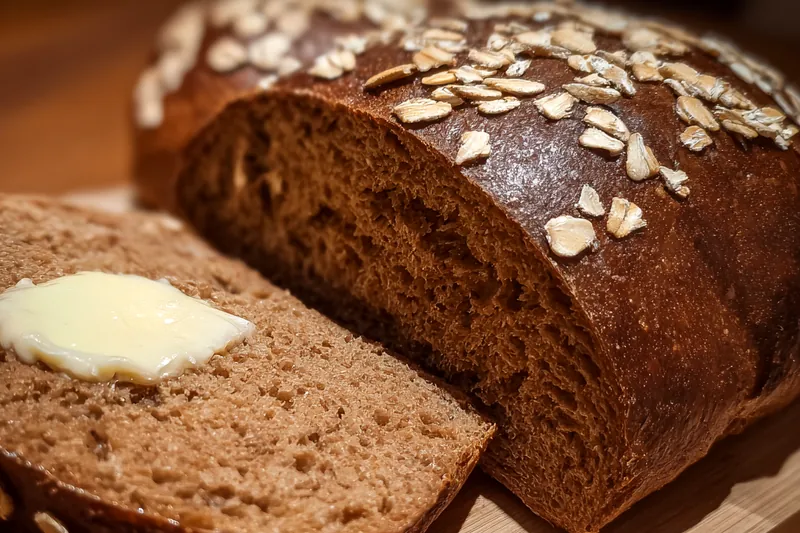
Essential Ingredients for Homemade Oat Topped Bread
Key ingredients like rolled oats and all-purpose flour ensure the bread has a hearty texture and rich flavor. Honey adds a touch of sweetness, while the yeast helps the bread rise beautifully.
Always use high-quality ingredients for the best results. Fresh, active yeast and pure honey will enhance the flavor of your homemade bread.
Essential Ingredient Notes
- Rolled Oats: Using rolled oats gives the bread a wonderful texture and nutty flavor. Opt for old-fashioned oats for the best results, as quick oats may lead to a mushy texture.
- Active Dry Yeast: Ensure your yeast is fresh and active for proper leavening. If you're unsure, you can activate it by mixing it with warm water and sugar before adding to the dough.
- Honey: Honey not only sweetens the bread but also adds moisture, helping the bread stay soft. You can substitute it with agave syrup or maple syrup if needed.
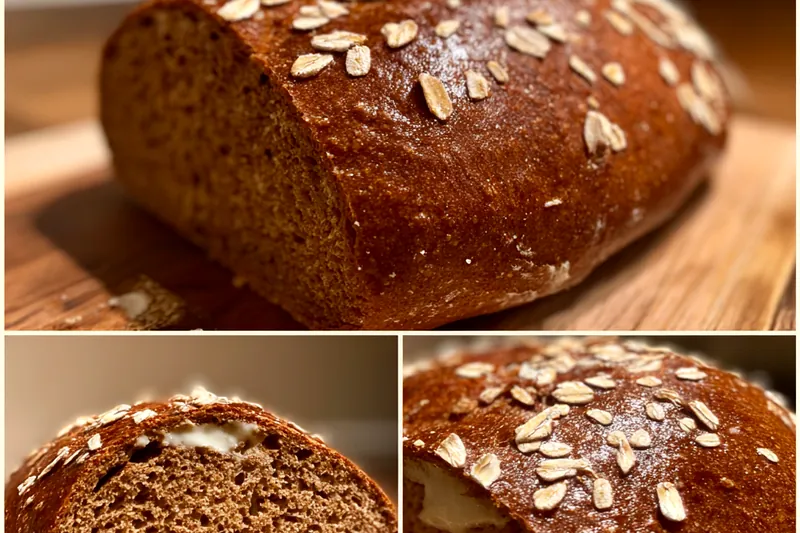
Step-by-Step Cooking Process
The cooking process for Homemade Oat Topped Bread is straightforward, making it suitable for bakers of all levels. A simple mixing and kneading technique leads to a beautifully risen loaf filled with wholesome oats.
By following the steps closely, you’ll achieve a perfect bread with a delightful texture, making it an excellent addition to your snack repertoire.
Key Technique for Perfect Homemade Oat Topped Bread
The key to perfect Homemade Oat Topped Bread lies in the double rising technique. This allows the dough to develop flavor and structure, resulting in a loaf that is both light and full of oat goodness.
Homemade Oat Topped Bread
📋 Ingredients
Main Ingredients
- 1 cup butterRoom temperature
- 1/2 cup honeyFor drizzling
- 1 teaspoon cinnamonOptional
For the Sauce
- 2 cups all-purpose flourAll-purpose flour for structure
- 1 cup rolled oatsRolled oats for texture
- 1 cup warm waterActivates yeast
- 2 tablespoons honeyAdds sweetness
- 1 tablespoon active dry yeastLeavening agent
- 1 teaspoon saltEnhances flavors
- 2 tablespoons olive oilFor moisture
- 1/2 cup milkAdds richness
- 1 eggFor binding
- 1/4 cup brown sugarAdds depth of flavor
- 1/2 teaspoon cinnamonOptional seasoning
- 1/4 cup oats for toppingFor crunch on top
Instructions
Combine Ingredients
In a large bowl, mix the warm water, honey, and yeast. Let sit for about 5 minutes until frothy.
Mix Dry Ingredients
In another bowl, combine flour, rolled oats, salt, cinnamon, and brown sugar.
Combine Mixtures
Add the dry ingredients to the yeast mixture. Mix well, then add the olive oil and milk.
Knead the Dough
Knead the dough for about 10 minutes until smooth. If sticky, add more flour.
First Rise
Place the dough in a lightly greased bowl, cover with a damp cloth, and let it rise until doubled in size, about 1 hour.
Shape the Dough
Punch down the risen dough and shape it into a loaf. Place in a greased loaf pan.
Second Rise
Cover the loaf with a cloth and let it rise again until it reaches the top of the pan, about 30 minutes.
Preheat Oven
Preheat the oven to 375°F (190°C).
Bake the Bread
Brush the top with an egg wash and sprinkle with oats and seeds if desired. Bake for 30-35 minutes until golden brown.
Cool and Serve
Remove from oven and let cool in the pan for 10 minutes before transferring to a wire rack to cool completely.
Recipe Notes & Tips
Storage Tips
To store Homemade Oat Topped Bread, wrap it tightly in plastic wrap or foil. It can be kept at room temperature for up to three days or in the refrigerator for up to a week for optimal freshness.
Serving Suggestions
Enjoy this bread toasted with butter, or pair it with a spread of your choice. It also makes an excellent accompaniment to soups and salads, or can be enjoyed as a snack on its own.
Recipe Variations
For a different twist, try adding nuts or seeds to the dough, or mix in dried fruits for added sweetness. You can also experiment with different spices like nutmeg or ginger for a unique flavor profile.