Homemade Crusty Bread Loaves
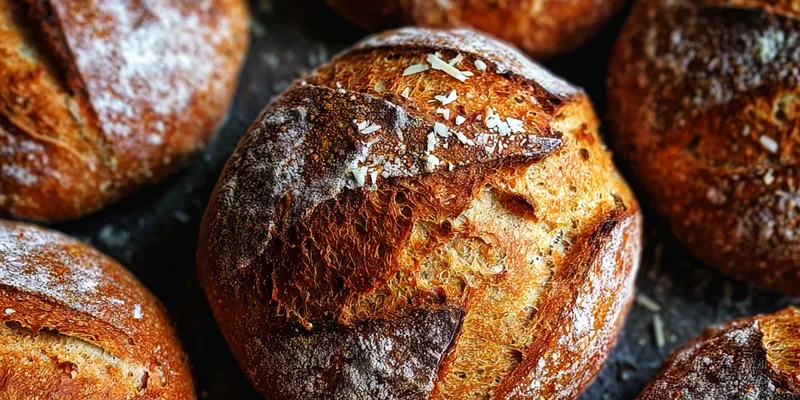
Homemade Crusty Bread Loaves are the perfect addition to any meal or snack time. With a beautiful crust and a soft, airy interior, this Italian bread is simple to make at home. Enjoy the flavors of traditional baking with just a few ingredients. Your family and friends will be impressed by your baking skills!

Why This Homemade Crusty Bread Loaves Recipe Works
This recipe combines quality ingredients and traditional techniques to create the perfect crusty bread. The use of warm water activates the yeast properly, ensuring a great rise and texture. Each loaf is baked to golden perfection, giving it a delightful crunch on the outside while remaining soft inside.
The two-rise method allows for optimal flavor development and texture. Kneading the dough thoroughly creates gluten, which contributes to the bread's structure. When baked at a high temperature, the loaves achieve that sought-after crust that pairs beautifully with all kinds of toppings.
💡 Professional Tip
Always use high-quality flour for the best results. Bread flour can create a chewier texture, while all-purpose flour gives a lighter loaf. Don't skip the kneading step; it's crucial for developing gluten, which gives bread its structure and elasticity.
Frequently Asked Questions
Yes, you can prepare the dough ahead of time and refrigerate it after the first rise. Just let it come to room temperature before shaping and continuing with the recipe. This method allows the flavors to develop even more.
You can substitute active dry yeast with instant yeast in a 1:1 ratio. Alternatively, if you have fresh yeast, use about 2.5 times the amount of active dry yeast. Just remember to adjust your liquid slightly, as fresh yeast contains moisture.
Your bread is done when it has a golden brown crust and sounds hollow when tapped on the bottom. You can also use a kitchen thermometer; the internal temperature should be about 190°F (88°C).
Yes, you can freeze the loaves after they have cooled completely. Wrap them tightly in plastic wrap and then in aluminum foil. They can last in the freezer for up to 3 months. Thaw at room temperature before reheating.
These loaves pair wonderfully with olive oil and balsamic vinegar for dipping. You can also serve them with soups, stews, or as a base for bruschetta and sandwiches. Their crusty exterior complements a variety of toppings.
While fresh bread is best enjoyed the same day, it can be stored in the fridge for about 3-4 days. Make sure to wrap it in a paper towel and then in plastic to keep it from drying out.
Absolutely! You can prepare the dough and allow it to rise before refrigerating. Just shape the loaves when you're ready to bake. This method saves time and enhances the flavor.
To reheat, preheat your oven to 350°F (175°C). Place the bread in the oven for about 10-15 minutes or until warmed through. This will help restore the crust's crispness.
Recipe Troubleshooting Guide
Too Dry
Problem: If your bread is too dry, it can be unappetizing.
Solution: Next time, try adding a little more water during the mixing stage or adjusting the baking time. Keeping an eye on the bread can prevent over-baking.
Not Crispy Enough
Problem: Sometimes, the crust may not be as crispy as desired.
Solution: To enhance crispiness, add a pan of hot water to the oven while baking. The steam will help create a better crust.
Overcooked
Problem: Overcooked bread can turn out hard and unpleasant.
Prevention: To prevent this, keep an eye on the color and use a thermometer to check the internal temperature. Aim for 190°F (88°C).
Undercooked Center
Problem: An undercooked center can lead to gummy bread.
Recovery: If this happens, return the bread to the oven for an additional 5-10 minutes. Cover with foil if the crust is browning too quickly.
Burnt Exterior
Problem: Sometimes the bread may burn on the outside before the inside is done.
Prevention: To avoid this, ensure your oven is not too hot, and consider using a pizza stone to ensure even baking.
Flavor Balance
Too Sweet: If the bread is too sweet, reduce the sugar next time.
Too Salty: For too salty bread, you can dilute the salt in your mixer or try using a lower-sodium salt.
Bland: To fix bland bread, consider adding herbs or spices to the dough for extra flavor.
Essential Ingredients for Homemade Crusty Bread Loaves
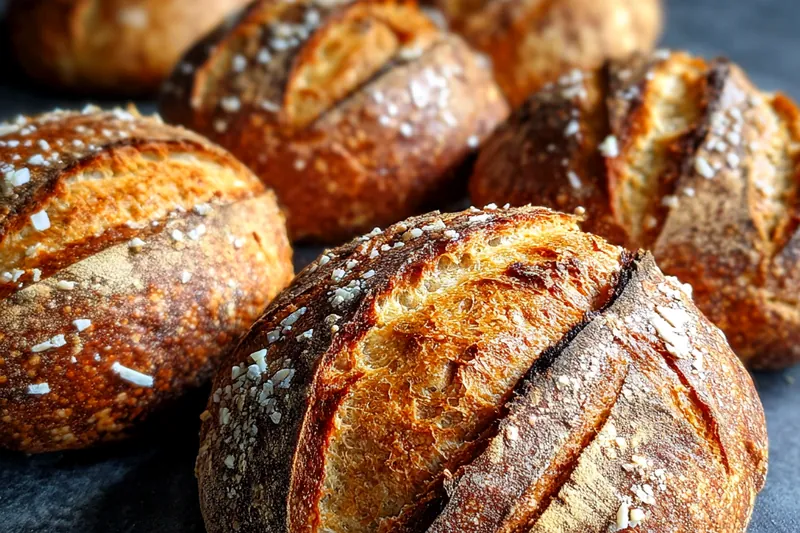
The key ingredients in this recipe are all-purpose flour, yeast, and salt. Each plays a critical role in developing flavor and texture. The flour provides structure while yeast helps the bread rise, making it light and airy.
Using high-quality yeast and fresh ingredients is crucial for the best results. Always check the expiration date on yeast packages to ensure it activates properly. Fresh herbs can elevate the flavor profile significantly.
Essential Ingredient Notes
- All-Purpose Flour: Using high-quality all-purpose flour will yield the best texture for your bread. Look for flour with a higher protein content for more structure.
- Yeast: Always ensure your yeast is fresh and stored properly. If in doubt, proof it in warm water with sugar before using.
- Olive Oil: Using good quality olive oil not only enhances flavor but also contributes to the bread's texture. It helps create a beautiful crust.
Step-by-Step Cooking Process
Making Homemade Crusty Bread Loaves involves a few simple steps: activating the yeast, mixing the ingredients, kneading the dough, and allowing it to rise. Each step is essential to achieving the perfect loaf.
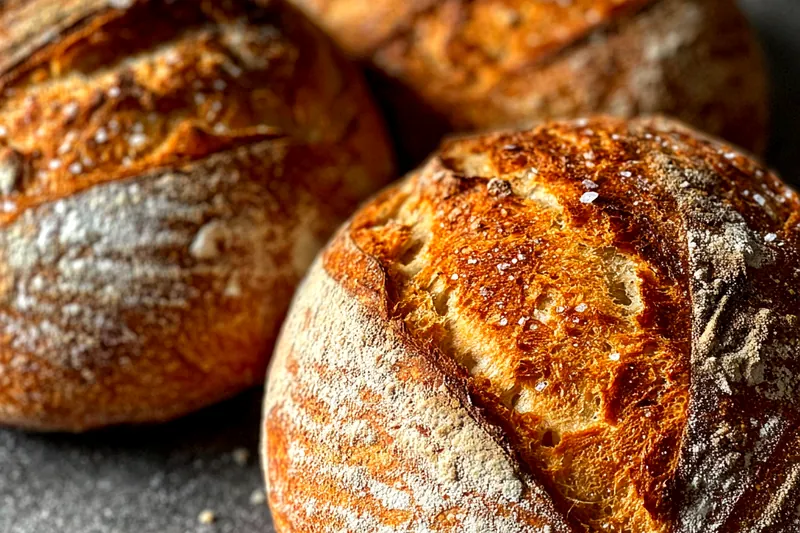
By following the instructions carefully and allowing the dough to rise properly, you'll create beautiful loaves that are crusty on the outside and soft on the inside. The key is patience and attention to detail during the baking process.
Key Technique for Perfect Homemade Crusty Bread Loaves
The two-rise method is crucial for developing flavor and texture in your bread. The first rise allows the yeast to ferment and create air pockets, while the second rise ensures a light and airy loaf. Don't skip this step for the best results.
Homemade Crusty Bread Loaves
📋 Ingredients
Main Ingredients
- 1 cup butterRoom temperature
- 1/2 cup parmesan cheeseGrated
- 2 cloves garlicMinced
- 1 tablespoon fresh parsleyChopped
- 1 tablespoon dried oreganoOptional
For the Sauce
- 4 cups all-purpose flourFor the dough
- 1 ½ cups warm waterAbout 110°F
- 2 teaspoons active dry yeastFor fermentation
- 2 teaspoons saltFor flavor
- 1 tablespoon sugarTo activate yeast
- 2 tablespoons olive oilFor moisture
- ¼ cup cornmealFor dusting
- 1 tablespoon honeyFor sweetness
Instructions
Activate Yeast
In a small bowl, mix the warm water, sugar, and yeast. Let it sit for about 10 minutes until frothy.
Mix Dry Ingredients
In a large bowl, combine flour, salt, garlic powder, oregano, basil, black pepper, and rosemary.
Combine Mixtures
Add the activated yeast mixture, olive oil, honey, and vinegar to the dry ingredients. Mix until a dough forms.
Knead Dough
Turn the dough onto a floured surface and knead for about 10 minutes until smooth and elastic.
First Rise
Place the dough in a greased bowl, cover with a damp cloth, and let it rise for 1 hour or until doubled in size.
Shape Loaves
After rising, punch down the dough and divide it into 2 equal pieces. Shape each piece into a loaf.
Second Rise
Place the shaped loaves on a baking sheet dusted with cornmeal. Cover and let rise for another 30 minutes.
Preheat Oven
Preheat your oven to 450°F (230°C).
Bake
Brush the loaves with an egg wash and bake for 25-30 minutes until golden brown and crusty.
Cool
Remove from the oven and let cool on a wire rack before slicing.
Recipe Notes & Tips
Storage Tips
To keep your Homemade Crusty Bread Loaves fresh, store them in a paper bag at room temperature. If you won't be consuming them within a few days, consider freezing them for longer storage. Always let them cool completely before wrapping.
Serving Suggestions
Serve your Homemade Crusty Bread Loaves with a variety of toppings, such as butter, spreads, or as part of a charcuterie board. They also make excellent sandwich bases for hearty fillings or light salads.
Recipe Variations
Feel free to experiment with different herbs and spices to customize your loaves. Adding olives, sun-dried tomatoes, or cheese can create unique flavor profiles that complement the classic bread base.