Herb Butter Beef Tenderloin
Herb Butter Beef Tenderloin is a delightful dish combining the rich flavors of tender beef and aromatic herbs. Perfect for a special occasion or a family dinner, this recipe is easy to follow and yields impressive results. The herb butter adds a luxurious finish to the dish, making it a favorite among meat lovers. With just a few ingredients, you can create a gourmet experience at home.

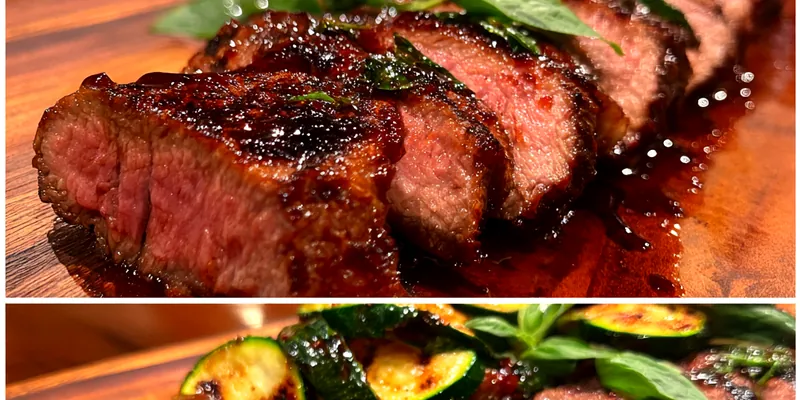
Why This Herb Butter Beef Tenderloin Recipe Works
This Herb Butter Beef Tenderloin recipe stands out due to its simplicity and the quality of ingredients. The combination of fresh herbs and butter creates a rich flavor that complements the beef perfectly. The technique of searing followed by roasting ensures a juicy interior while the herb butter adds a luxurious finish. It's an impressive dish that doesn’t require advanced cooking skills.
The method used in this recipe allows for a perfect crust on the outside while keeping the inside tender and succulent. Utilizing high-quality beef tenderloin ensures a melt-in-your-mouth experience. The balance of flavors from the herbs elevates the dish, making it suitable for both casual dinners and special gatherings.
💡 Professional Tip
For the best results, use a meat thermometer to check the internal temperature of the beef tenderloin. Aim for 125°F (52°C) for medium-rare and 135°F (57°C) for medium. Letting the meat rest after cooking is crucial, as it allows the juices to redistribute for a more flavorful and tender result.
Frequently Asked Questions
Yes, you can prepare the herb butter a day in advance and store it in the refrigerator. You can also sear the beef tenderloin beforehand and then roast it when you’re ready to serve. Just make sure to let the beef warm to room temperature before roasting for even cooking.
If fresh herbs aren't available, you can use dried herbs as a substitute, though the flavor will be slightly different. Use about one-third the amount of dried herbs compared to fresh, as they are more concentrated. Additionally, ensure to mix them into the butter well to incorporate their flavors.
The best way to determine doneness is by using a meat thermometer. For medium-rare, the internal temperature should reach about 125°F (52°C), and for medium, aim for 135°F (57°C). You can also check by pressing the meat; it should feel firm but still have some give.
Yes, you can freeze cooked beef tenderloin. Wrap it tightly in plastic wrap and then in aluminum foil before placing it in a freezer bag. It can be kept frozen for up to three months. To reheat, thaw in the refrigerator overnight and warm gently in the oven.
Herb Butter Beef Tenderloin pairs wonderfully with roasted vegetables, garlic mashed potatoes, or a fresh green salad. For a touch of elegance, consider serving it with a red wine reduction sauce or a creamy horseradish sauce.
Cooked Herb Butter Beef Tenderloin can be stored in the refrigerator for up to three to four days. Ensure it's tightly wrapped or stored in an airtight container to maintain its freshness. Reheat gently to preserve its tenderness.
Yes, you can prepare the herb butter and sear the tenderloin in advance, then roast it just before serving. This approach saves time and allows you to focus on other aspects of your meal when entertaining guests.
The best way to reheat beef tenderloin is to do so slowly in the oven at a low temperature, around 250°F (120°C), until warmed through. This helps retain moisture and prevents the meat from becoming tough. Avoid using the microwave, as it can overcook the meat.
Recipe Troubleshooting Guide
Too Dry
Problem: The beef tenderloin appears dry after cooking.
Solution: Make sure to monitor the internal temperature closely and avoid overcooking. Consider using a meat thermometer to ensure perfect doneness. Additionally, allowing the meat to rest after cooking helps retain moisture.
Not Crispy Enough
Problem: The exterior of the beef tenderloin is not crispy.
Solution: To achieve a crispy exterior, ensure the pan is hot enough before searing and avoid overcrowding the pan. Searing on high heat for a short time helps develop a nice crust before finishing in the oven.
Overcooked
Problem: The beef tenderloin is overcooked and tough.
Prevention: Prevent overcooking by using a meat thermometer and removing it from heat at the desired temperature. If overcooked, try slicing it thinly against the grain to make it more tender.
Undercooked Center
Problem: The center of the tenderloin is undercooked.
Recovery: If the center is undercooked, you can return the sliced beef to a hot skillet for a few minutes to finish cooking through. Always allow the meat to rest to ensure even cooking.
Burnt Exterior
Problem: The exterior of the tenderloin is burnt.
Prevention: If the exterior burns too quickly, lower the heat during searing and ensure you’re using enough fat. Keep a close eye on the meat while cooking to prevent burning.
Flavor Balance
Too Sweet: If the dish tastes too sweet, add a touch of acidity such as lemon juice or vinegar to balance the flavors.
Too Salty: If the dish is too salty, consider serving it with unsalted sides to offset the saltiness or adding a bit of sugar to balance the taste.
Bland: If the dish is bland, enhance the flavor with additional herbs, spices, or a sprinkle of sea salt to elevate the taste.
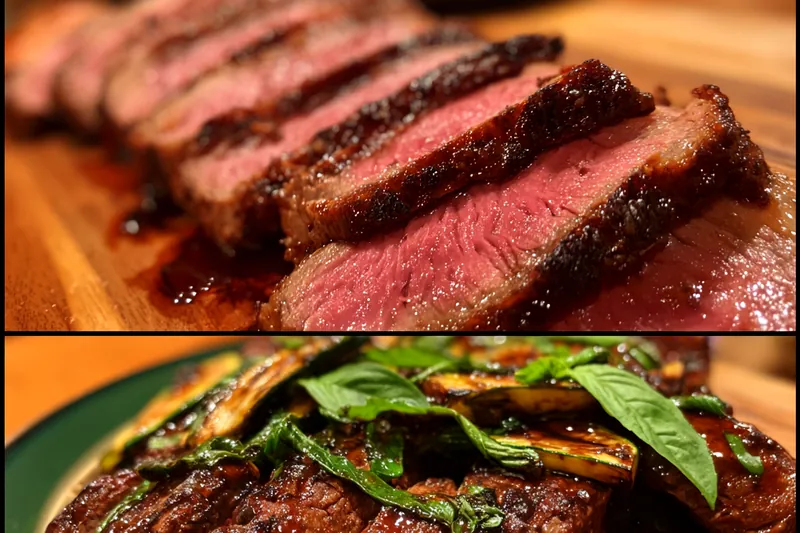
Essential Ingredients for Herb Butter Beef Tenderloin
The key ingredients for Herb Butter Beef Tenderloin are high-quality beef tenderloin, fresh herbs, and unsalted butter. Using fresh herbs like thyme, rosemary, and parsley enhances the flavor profile and adds aromatic qualities to the dish. The quality of the beef is crucial, as it should be tender and well-marbled for an exceptional eating experience.
When selecting your ingredients, opt for organic and fresh products whenever possible. The butter should be soft but not melted, allowing it to blend easily with the herbs. Fresh herbs should be vibrant and fragrant, as they will impart their flavors into the butter and ultimately into the beef.
Essential Ingredient Notes
- Beef Tenderloin: Choosing a well-marbled beef tenderloin is essential for flavor and tenderness. Look for cuts with a bright red color and minimal connective tissue. Ideally, buy from a trusted source or butcher to ensure quality.
- Unsalted Butter: Using unsalted butter allows you to control the saltiness of the dish. It also provides a creamy base for the herb mixture without adding unnecessary sodium. Make sure the butter is at room temperature for easy mixing.
- Fresh Herbs: Fresh herbs elevate the flavor of the dish significantly. For the best results, use only fresh herbs rather than dried ones, as they offer a brighter and more vibrant taste. Store herbs in the fridge and use them as soon as possible for optimal freshness.
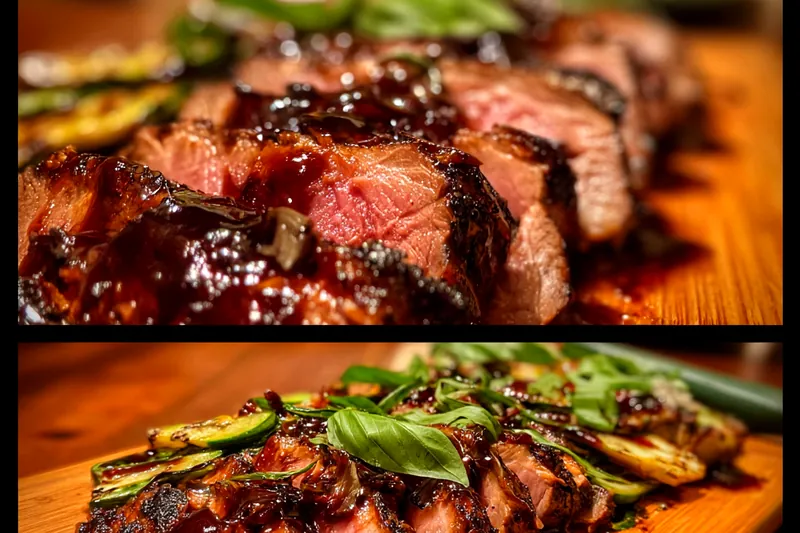
Step-by-Step Cooking Process
Cooking Herb Butter Beef Tenderloin involves a straightforward process that ensures delicious results. Begin by preparing the ingredients and seasoning the beef properly. Searing the meat creates a flavorful crust, while roasting locks in the juiciness and blends the flavors of the herb butter.
To achieve the best results, allow the tenderloin to rest before slicing. This technique helps the juices redistribute throughout the meat, ensuring each bite is tender and flavorful. Follow the cooking times closely and adjust based on your oven and the thickness of the beef.
Key Technique for Perfect Herb Butter Beef Tenderloin
The key technique for perfecting Herb Butter Beef Tenderloin lies in the searing process. Searing the beef at a high temperature creates a caramelized crust that enhances flavor, while roasting at a lower temperature ensures the inside remains tender and juicy. Using a meat thermometer helps gauge doneness accurately, resulting in a perfectly cooked tenderloin.
Herb Butter Beef Tenderloin
📋 Ingredients
Main Ingredients
- 1 cup butterRoom temperature
- 4 cloves garlicMinced
- 2 tablespoons fresh thymeChopped
- 2 tablespoons fresh rosemaryChopped
- 2 tablespoons fresh parsleyChopped
For the Sauce
- 2 lbs beef tenderloinTrimmed
- 1 teaspoon saltFor seasoning
- 1/2 teaspoon black pepperFreshly ground
- 1 tablespoon olive oilFor searing
- 1 tablespoon Dijon mustardOptional
- 1 tablespoon Worcestershire sauceOptional
- 1 tablespoon lemon juiceFor flavor
- Fresh herbs for garnishOptional
Instructions
Prepare the Beef
Trim any excess fat from the beef tenderloin and season it generously with salt and black pepper.
Make Herb Butter
In a bowl, mix the softened butter, minced garlic, thyme, rosemary, parsley, salt, and pepper until well combined.
Sear the Tenderloin
Heat olive oil in a skillet over medium-high heat. Sear the beef tenderloin on all sides until browned, about 3-4 minutes per side.
Apply Herb Butter
Remove the beef from the skillet and place it on a baking sheet. Spread half of the herb butter mixture over the top of the tenderloin.
Roast the Tenderloin
Preheat your oven to 400°F (200°C). Roast the beef tenderloin in the oven for 25-30 minutes, or until it reaches your desired doneness.
Rest the Meat
Remove the tenderloin from the oven and let it rest for at least 10 minutes before slicing.
Serve
Slice the beef tenderloin, serve with the remaining herb butter, and garnish with fresh herbs.
Enjoy
Enjoy your delicious Herb Butter Beef Tenderloin as part of a special meal!
Recipe Notes & Tips
Storage Tips
Store any leftovers in an airtight container in the refrigerator for up to four days. For longer storage, wrap the beef tightly and freeze it for up to three months. Always let the beef cool before refrigerating or freezing to maintain its texture.
Serving Suggestions
Serve Herb Butter Beef Tenderloin with a side of garlic mashed potatoes or seasonal roasted vegetables. A fresh green salad drizzled with a light vinaigrette complements the dish beautifully, providing a refreshing contrast to the rich flavors of the beef.
Recipe Variations
For a twist, try incorporating different herbs such as tarragon or oregano into the herb butter. You can also experiment with adding a splash of balsamic vinegar or red wine to the marinade for added depth of flavor.