Garlic Herb Parmesan Bread
Garlic Herb Parmesan Bread is an irresistible appetizer that combines the aromatic flavors of garlic and fresh herbs with the richness of Parmesan cheese. Perfect for sharing at gatherings or enjoying with family, this bread is soft and flavorful. It's an easy recipe that brings the taste of Italy right to your kitchen. Serve it warm for the best experience!

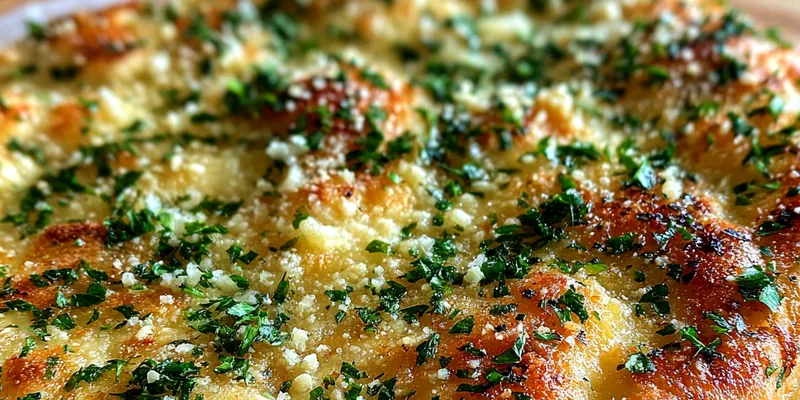
Why This Garlic Herb Parmesan Bread Recipe Works
This recipe stands out for its perfect combination of savory garlic, aromatic herbs, and rich Parmesan cheese, resulting in a delightful flavor explosion. The bread itself is soft and fluffy on the inside while maintaining a crispy crust, making it irresistible.
The use of fresh herbs elevates the flavor profile, and the cheese not only adds richness but also helps achieve that beautiful golden crust during baking. The step-by-step instructions ensure that even novice bakers can confidently create this delicious bread.
💡 Professional Tip
For an extra flavor boost, consider adding a pinch of red pepper flakes to the garlic herb mixture. This will give your Garlic Herb Parmesan Bread a subtle heat that complements the other flavors beautifully. Additionally, be sure to use fresh herbs for the best taste.
Frequently Asked Questions
Yes, you can prepare the dough in advance and refrigerate it overnight. Just allow it to come to room temperature and rise before baking. You can also bake the bread ahead and reheat it before serving.
If you don’t have fresh herbs, you can use dried herbs as a substitute. Generally, 1 teaspoon of dried herbs equals 1 tablespoon of fresh. However, keep in mind that fresh herbs provide a brighter flavor.
The bread is done when it is golden brown on top and sounds hollow when tapped on the bottom. You can also use a thermometer; it should reach an internal temperature of about 190°F (88°C).
Absolutely! After baking, let the bread cool completely, then wrap it tightly in plastic wrap and aluminum foil before freezing. It can be stored for up to 3 months. Thaw in the fridge overnight and reheat before serving.
This bread pairs wonderfully with soups, salads, or as a side for pasta dishes. It can also be enjoyed alone or with dipping oils and balsamic vinegar for an appetizer.
When stored properly in an airtight container, Garlic Herb Parmesan Bread can last up to 3 days in the fridge. To maintain its softness, it is best to reheat it before consuming.
Yes, you can prepare the dough in advance and refrigerate it overnight. Allow it to come to room temperature and rise properly before baking for the best results.
To reheat, wrap the bread in aluminum foil and place it in a preheated oven at 350°F (175°C) for about 10-15 minutes. This keeps the crust crispy while warming the inside.
Recipe Troubleshooting Guide
Too Dry
Problem: The bread comes out dry and crumbly.
Solution: Ensure you are measuring the flour correctly and do not over-knead the dough. Adding a bit more butter or olive oil can also help retain moisture.
Not Crispy Enough
Problem: The bread lacks a crispy crust.
Solution: For a crispier crust, try baking the bread on a pizza stone or placing a baking tray filled with water in the oven to create steam during baking.
Overcooked
Problem: The bread is overcooked and too dark on the outside.
Prevention: To prevent overcooking, keep an eye on the bread during the last few minutes of baking. If it browns too quickly, cover it loosely with foil.
Undercooked Center
Problem: The center of the bread is still doughy.
Recovery: If the bread is undercooked, return it to the oven and bake for additional 5-10 minute intervals, checking regularly until done.
Burnt Exterior
Problem: The outside of the bread burns before the inside is cooked.
Prevention: Lower the oven temperature and extend the baking time to ensure even cooking throughout the bread.
Flavor Balance
Too Sweet: If the bread is too sweet, reduce the sugar next time or balance it by adding a bit of salt.
Too Salty: If it's too salty, try serving it with a sweet or tangy dip to balance the flavors.
Bland: If the bread is bland, consider adding more garlic, herbs, or spices to the mixture next time to enhance the flavor.
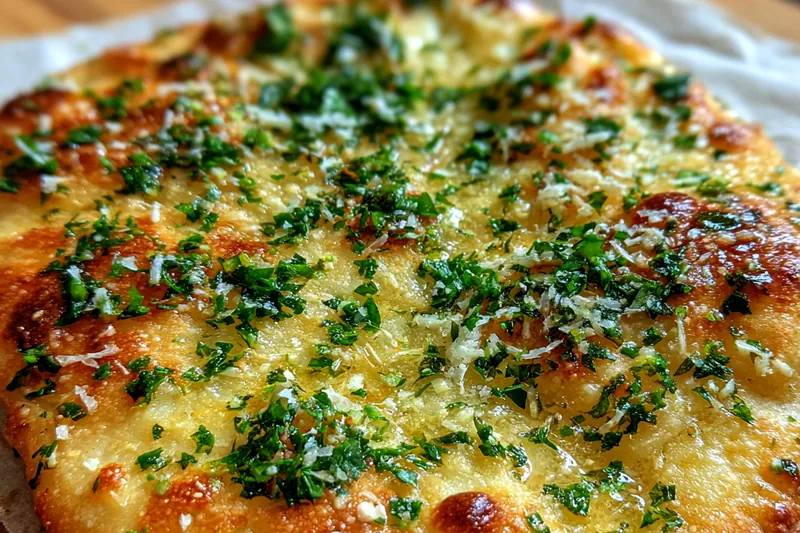
Essential Ingredients for Garlic Herb Parmesan Bread
The key ingredients for Garlic Herb Parmesan Bread include all-purpose flour, yeast, fresh garlic, and Parmesan cheese. Each component contributes to the bread's flavor and texture.
Using high-quality Parmesan cheese and fresh herbs elevates the taste dramatically. Opt for unsalted butter for a better control over saltiness in the recipe.
Essential Ingredient Notes
- All-Purpose Flour: Using all-purpose flour helps achieve the right balance of structure and softness in the bread. Make sure to measure accurately for the best results.
- Fresh Garlic: Fresh garlic provides a bold flavor that dried garlic cannot replicate. Mince it finely for an even distribution in the bread.
- Parmesan Cheese: Opt for freshly grated Parmesan cheese rather than pre-grated for optimal flavor and meltability. It enhances the richness of the bread.
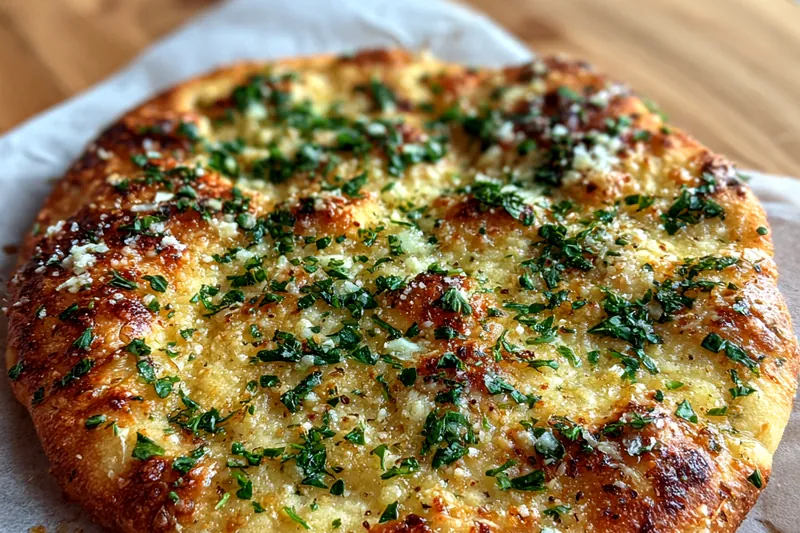
Step-by-Step Cooking Process
The cooking process for Garlic Herb Parmesan Bread involves mixing, kneading, and allowing the dough to rise. These steps are essential for developing flavor and texture.
By following the detailed instructions, you can achieve a perfectly baked bread with a delightful aroma and taste that will impress anyone.
Key Technique for Perfect Garlic Herb Parmesan Bread
The most important technique is allowing the dough to rise adequately. This step is crucial for achieving a light and fluffy texture in the final bread. Be patient and ensure it doubles in size during the rising phase.
Garlic Herb Parmesan Bread
📋 Ingredients
Main Ingredients
- 1 cup butterRoom temperature
- 1/2 cup fresh parsleyChopped
- 1/4 cup olive oilExtra virgin
- 1 tsp saltTo taste
- 1/2 tsp pepperTo taste
- 1/4 tsp red pepper flakesOptional
For the Sauce
- 2 cups all-purpose flourFor the bread
- 1 packet (2 1/4 tsp) active dry yeastFor leavening
- 1 tsp sugarTo activate yeast
- 3/4 cup warm waterFor dough
- 1/4 cup butter, meltedAdds richness
- 1/2 cup grated Parmesan cheeseFor flavor
- 3 cloves garlic, mincedFor flavor
- 1 tbsp fresh parsley, choppedFor freshness
- 1 tbsp fresh basil, choppedFor aroma
- 1 tsp saltTo taste
- 1/2 tsp black pepperTo taste
- 1 egg, beaten (for egg wash)For golden color
- Additional Parmesan for toppingFor extra flavor
- Olive oil (for greasing)To prevent sticking
Instructions
Prepare the Dough
In a bowl, combine warm water, sugar, and yeast. Let it sit for about 5 minutes until frothy. Add flour, melted butter, salt, and mix until a dough forms.
Knead the Dough
Transfer the dough to a floured surface and knead for about 10 minutes until smooth and elastic.
First Rise
Place the dough in a greased bowl, cover it with a damp cloth, and let it rise in a warm place for about 30 minutes, or until doubled in size.
Prepare Garlic Herb Mixture
In a small bowl, mix the minced garlic, chopped parsley, basil, and grated Parmesan cheese.
Shape the Bread
Once the dough has risen, punch it down and roll it out on a floured surface. Spread the garlic herb mixture evenly over the dough.
Roll and Cut
Roll the dough tightly and cut it into equal pieces. Place the pieces in a greased baking dish.
Second Rise
Cover the baking dish with a cloth and let the bread rise for another 15-20 minutes.
Preheat Oven
Preheat your oven to 375°F (190°C).
Bake the Bread
Brush the tops with beaten egg and sprinkle additional Parmesan. Bake for 25-30 minutes until golden brown.
Cool and Serve
Remove from the oven, let cool slightly, and serve warm.
Recipe Notes & Tips
Storage Tips
To store Garlic Herb Parmesan Bread, wrap it tightly in plastic wrap or place it in an airtight container. It will stay fresh for up to 3 days stored at room temperature. For longer storage, refrigerate or freeze.
Serving Suggestions
Garlic Herb Parmesan Bread is best served warm, either on its own or dipped in olive oil and balsamic vinegar. Pair it with soups, salads, or pasta dishes for a complete meal.
Recipe Variations
You can customize this bread by adding sun-dried tomatoes, olives, or different cheeses like mozzarella for varied flavor profiles. Experiment with different herbs such as thyme or oregano for a unique twist.