Garlic Herb Beef Tenderloin
Garlic Herb Beef Tenderloin is a classic American dish that brings comfort and elegance to your dinner table. With its rich flavors and tender texture, it’s perfect for special occasions or a family feast. The combination of garlic and fresh herbs elevates this beef tenderloin to gourmet status, making it a favorite among meat lovers. Enjoy this mouthwatering dish paired with your choice of sides for a complete meal.

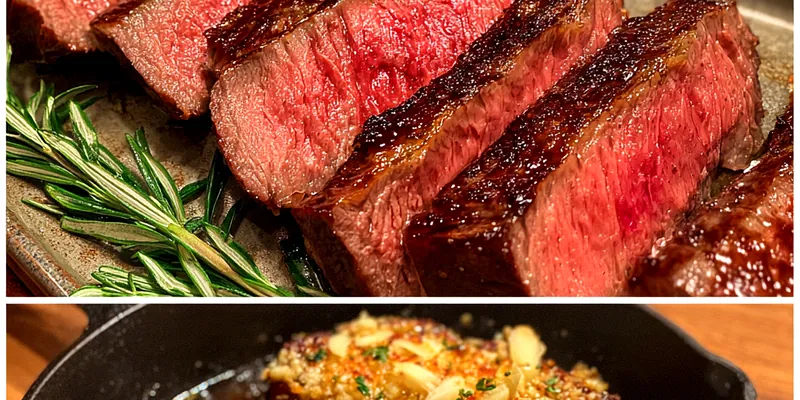
Why This Garlic Herb Beef Tenderloin Recipe Works
This recipe stands out due to the harmonious blend of aromatic garlic and fresh herbs that infuse the tenderloin with flavor. The searing process locks in the juices, ensuring every bite is succulent. Additionally, the simplicity of the ingredients allows the quality of the beef to shine through, making this dish a true highlight of any meal.
The technique of searing followed by roasting is key to achieving a perfectly cooked tenderloin. It develops a rich, brown crust while keeping the interior juicy and tender. The addition of a flavorful sauce enhances the dish and complements the natural flavors of the beef.
💡 Professional Tip
For the best results, let your beef tenderloin come to room temperature before cooking. This ensures even cooking throughout and helps prevent overcooking the outer layers while the center remains rare.
Frequently Asked Questions
Yes, you can prepare the beef tenderloin ahead of time by seasoning it and letting it marinate in the fridge for up to 24 hours. Just make sure to bring it back to room temperature before cooking to ensure even cooking. You can also prepare the sauce in advance and refrigerate it until you're ready to serve.
If you're looking for a substitute for garlic, you can use shallots for a milder flavor or garlic powder in a pinch. Alternatively, consider using roasted garlic for a sweeter, more complex flavor. Each option will impart its unique taste to the dish.
The best way to check for doneness is to use a meat thermometer. For medium-rare, aim for an internal temperature of 135°F (57°C). If you prefer medium, cook until it reaches 145°F (63°C). Remember that the meat will continue to cook slightly after being removed from the oven, so it's best to take it out a few degrees shy of your desired doneness.
Yes, you can freeze Garlic Herb Beef Tenderloin both before and after cooking. If freezing raw, season and wrap it tightly in plastic wrap and aluminum foil. After cooking, allow it to cool completely before slicing and placing it in an airtight container. Consume within 3 months for the best quality.
Garlic Herb Beef Tenderloin pairs wonderfully with sides like garlic mashed potatoes, roasted vegetables, or a fresh green salad. You might also consider serving it with a rich gravy or a red wine reduction to enhance the flavors of the dish.
Garlic Herb Beef Tenderloin can last in the fridge for up to 3-4 days when stored properly in an airtight container. Ensure that it is cooled to room temperature before refrigerating to maintain its quality.
Absolutely! You can prepare the beef tenderloin ahead of time by seasoning it and letting it marinate. Cook it the day of your event, or you can cook it in advance and reheat it gently in the oven at a low temperature before serving.
The best way to reheat Garlic Herb Beef Tenderloin is to preheat your oven to 350°F (175°C) and place the tenderloin in a baking dish covered with foil. Heat for about 15-20 minutes or until warmed through. This method helps retain moisture and prevents the beef from drying out.
Recipe Troubleshooting Guide
Too Dry
Problem: The beef tenderloin is dry and lacks moisture.
Solution: To prevent dryness, ensure you do not overcook the beef. Use a meat thermometer to check for doneness and remove it from the oven when it reaches the desired temperature.
Not Crispy Enough
Problem: The exterior of the tenderloin is not crispy.
Solution: To achieve a crisp exterior, ensure the beef is seared properly before baking. Use high heat and allow the crust to form during searing.
Overcooked
Problem: The beef is overcooked and tough.
Prevention: To prevent overcooking, use a thermometer and remove the beef from the oven as it approaches your target temperature, allowing for carryover cooking.
Undercooked Center
Problem: The center of the beef tenderloin is undercooked.
Recovery: If the center is undercooked, return it to the oven and cook it at a lower temperature to allow the heat to penetrate evenly without burning the outside.
Burnt Exterior
Problem: The exterior of the beef is burnt.
Prevention: To avoid burning, ensure that the heat is not too high during searing and monitor closely while cooking. You can cover the beef with foil if it browns too quickly.
Flavor Balance
Too Sweet: If the dish is too sweet, add a splash of vinegar or lemon juice to balance the flavors.
Too Salty: If it's too salty, serve with a neutral side like rice or potatoes to absorb the saltiness.
Bland: For blandness, enhance the flavor with additional herbs, spices, or a sauce.
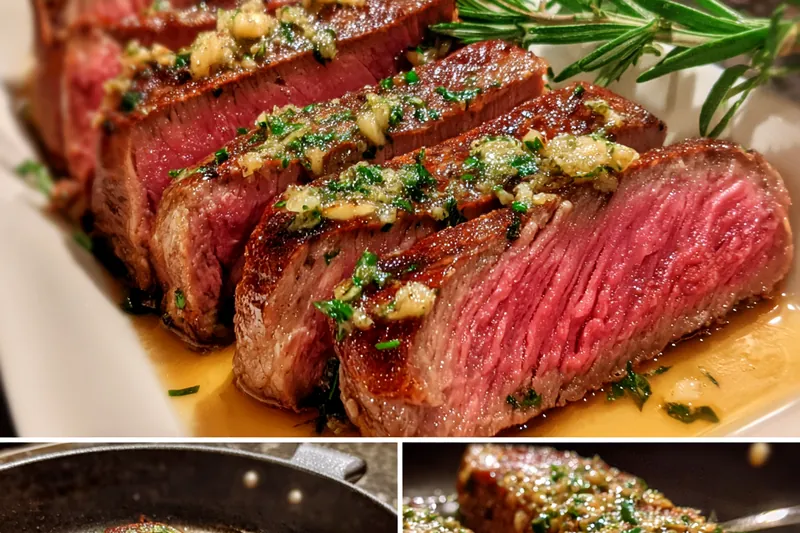
Essential Ingredients for Garlic Herb Beef Tenderloin
The key ingredients in this Garlic Herb Beef Tenderloin are simple yet flavorful. High-quality beef tenderloin is crucial for achieving tenderness and rich flavors. Fresh herbs like rosemary and thyme provide an aromatic quality that elevates the dish, while garlic adds depth and character. Olive oil helps to bind the flavors and keep the meat moist during cooking.
Using fresh, high-quality ingredients is vital for the best results. Choose organic herbs and grass-fed beef for a more flavorful and healthy meal. The quality of the ingredients makes a significant difference in the final taste of the dish, ensuring that every bite is a delight.
Essential Ingredient Notes
- Beef Tenderloin: For the best flavor and tenderness, choose a well-marbled beef tenderloin. Look for a deep red color and avoid any cuts that appear overly dry or discolored.
- Fresh Herbs: Fresh herbs are essential for this recipe. Always opt for fresh over dried, as they provide a vibrant flavor and aroma that dried herbs cannot match. Store them in a cool, dry place to maintain their potency.
- Garlic: When using garlic, choose firm cloves without any sprouting. Fresh garlic offers a robust flavor; however, if you need a milder taste, consider roasting the garlic beforehand to sweeten it.
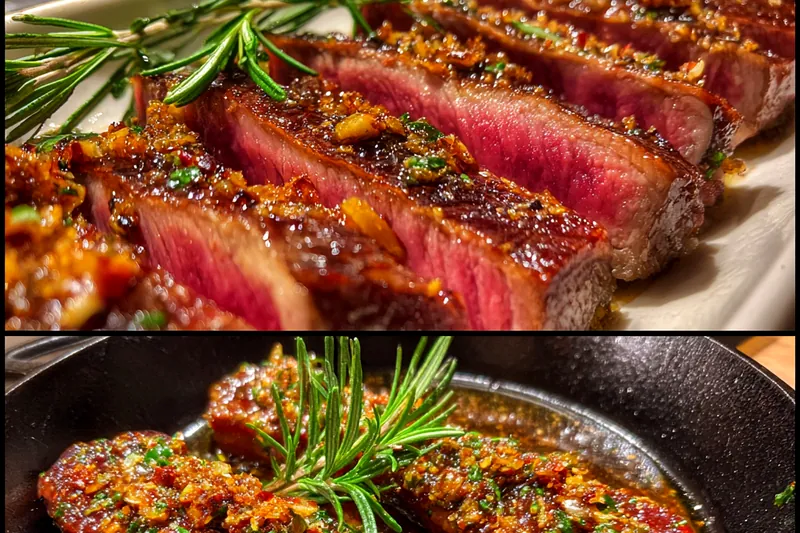
Step-by-Step Cooking Process
Cooking Garlic Herb Beef Tenderloin is a straightforward process that highlights the natural flavors of the meat. Start by seasoning the tenderloin with a mixture of garlic and herbs, then sear it in a hot skillet to lock in the juices. The final baking in the oven ensures that the beef cooks evenly and to your preferred doneness.
Achieving perfect results involves paying attention to temperature and time. Monitoring the internal temperature with a meat thermometer will help ensure that the meat remains tender and juicy. Letting the beef rest before slicing allows the juices to redistribute, resulting in a more flavorful dish.
Key Technique for Perfect Garlic Herb Beef Tenderloin
The key technique for a perfect Garlic Herb Beef Tenderloin lies in the searing process. Searing the beef at high heat creates a flavorful crust that locks in moisture, while the subsequent roasting ensures even cooking. This method not only enhances the texture but also intensifies the dish's overall flavor profile.
Garlic Herb Beef Tenderloin
📋 Ingredients
Main Ingredients
- 1 cup butterRoom temperature
- 1 tablespoon olive oilFor sautéing
- 1 cup beef brothLow sodium preferred
- 1 tablespoon balsamic vinegarFor depth of flavor
- 1 teaspoon fresh rosemaryChopped
- 1 teaspoon fresh thymeChopped
For the Sauce
- 2 lbs beef tenderloinTrimmed
- 4 cloves garlicMinced
- 2 tablespoons fresh rosemaryChopped
- 2 tablespoons fresh thymeChopped
- 2 tablespoons olive oilFor rubbing
- 1 teaspoon saltTo taste
- 1 teaspoon black pepperFreshly ground
- 1 tablespoon Dijon mustardFor flavor
Instructions
Preheat Oven
Preheat your oven to 400°F (200°C).
Prepare the Rub
In a small bowl, mix together minced garlic, rosemary, thyme, olive oil, salt, pepper, and Dijon mustard.
Season the Beef
Rub the garlic herb mixture all over the beef tenderloin, ensuring it is well coated.
Sear the Beef
In a hot skillet, sear the beef tenderloin on all sides until browned, about 3-4 minutes per side.
Add to Baking Dish
Transfer the seared beef to a baking dish.
Prepare the Sauce
In the same skillet, add beef broth, balsamic vinegar, and bring to a simmer.
Bake the Beef
Pour the sauce over the beef and bake in the preheated oven for about 30-35 minutes or until desired doneness.
Rest and Serve
Remove from oven, let rest for 10 minutes, then slice and serve with sauce drizzled on top.
Recipe Notes & Tips
Storage Tips
To store Garlic Herb Beef Tenderloin, allow it to cool completely then wrap in plastic wrap and store in an airtight container in the fridge. It can last up to 3-4 days. For long-term storage, consider freezing it, which can extend its shelf life for up to 3 months.
Serving Suggestions
Garlic Herb Beef Tenderloin is best served with side dishes that complement its rich flavor. Consider pairing it with garlic mashed potatoes, steamed asparagus, or a fresh salad for a balanced meal. A glass of red wine, such as Cabernet Sauvignon, also enhances the dining experience.
Recipe Variations
For variations, consider marinating the beef in red wine or adding different herbs like sage or oregano. You can also experiment with the cooking method, such as grilling the tenderloin for a smoky flavor or using a sous-vide technique for precise temperature control.